How to Capture Stunning Beach Photos Every Time
Recent Trends in Beach Photography
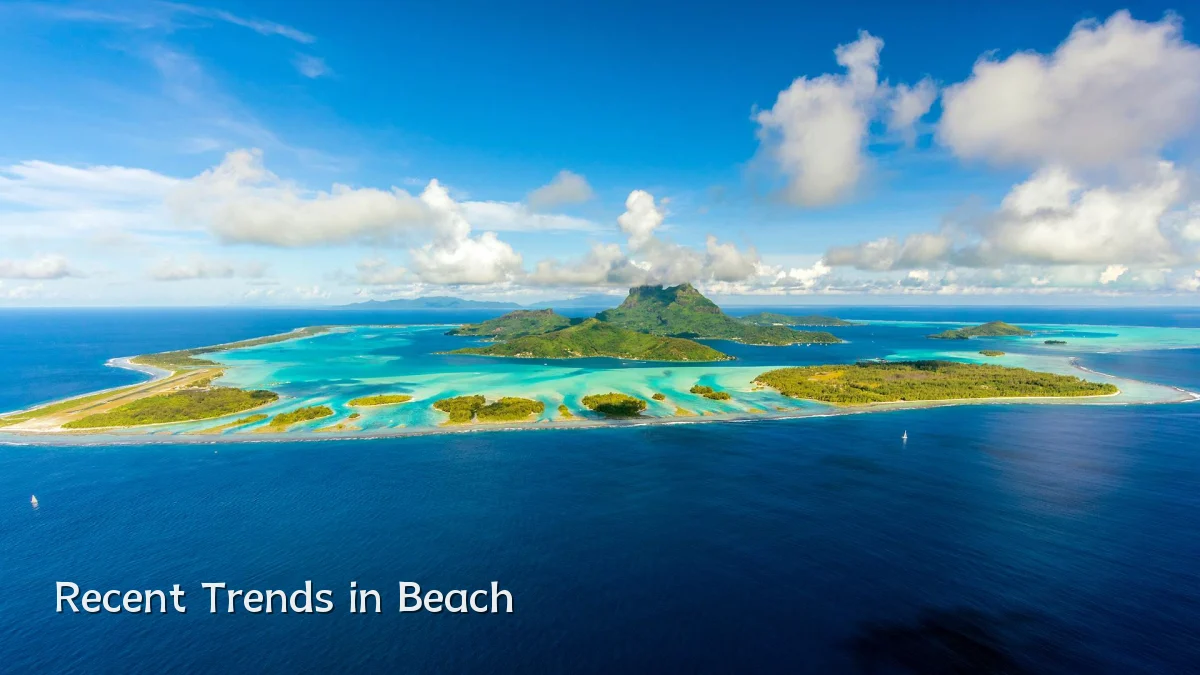
Smartphone camera capabilities have narrowed the gap with dedicated equipment, yet the volume of beach images shared across social platforms continues to rise. Many creators now prioritize environmental storytelling and natural light over heavy editing. Key shifts include:
- Increased reliance on computational photography for dynamic range and exposure balance
- Growing preference for authentic, unretouched sand and water textures
- Rising interest in golden-hour and blue-hour composition guides
- Wider adoption of basic polarizing filters even among casual phone users
Background: Why Beach Photography Remains Challenging
Coastal environments introduce unique variables that can undermine image quality. Harsh midday sun, reflective wet sand, salt spray, and moving water create exposure and focus difficulties that differ from land-based portrait or landscape work. Core issues include:
- Overexposed skies and blown-out highlights from sand reflectance
- Difficulty maintaining sharp focus on moving surf or subjects near breaking waves
- Color casts caused by water reflection and atmospheric haze
- Equipment vulnerability to salt, moisture, and grit
User Concerns: Common Frustrations and Missteps
Many photographers, from beginners to intermediates, report disappointment with results that feel flat or amateurish. Recurring complaints center on predictability and a lack of visual depth:
- Images that appear washed out or lacking in contrast due to bright ambient light
- Subjects appearing too small or poorly framed relative to the vast shoreline
- Over-reliance on editing filters that create artificial tonal shifts
- Missing decisive moments, such as wave patterns or bird motion, due to slow settings
“The beach offers dramatic light but also demands attention to timing. Rushing a shot often yields static results regardless of equipment quality.”
Likely Impact: What Better Technique Means for Travelers and Content Creators
Improved fundamentals allow photographers to capture reliably usable images in a range of coastal conditions. Anticipated effects on the quality and usefulness of beach photography include:
- Higher keeper rates during family vacations or content shoots, reducing post-production time
- Better adaptation to seasonal shifts in sun angle, tide, and wind for more varied portfolios
- Reduced need for complex editing software for those seeking natural-looking results
- Greater confidence in shooting at non-ideal times (midday, overcast) with correct technique
What to Watch Next: Evolving Tools and Approaches
Ongoing developments in camera sensors, lens coatings, and mobile editing apps continue to refine what is achievable with minimal gear. Observations for the near term include:
- Expanded use of AI-assisted composition guides that suggest framing based on horizon and light
- More rugged, waterproof accessories tailored for surf zones and wet sand environments
- Growing emphasis on pre-visualization workshops and location scouting tips for beach shooters
- Introduction of lightweight, compact ND filters designed to fit multi-lens phone systems
Staying current with these trends can help photographers anticipate conditions and adapt their workflow before arriving at the shore, rather than relying solely on post-processing corrections.