Ultimate Guide to Capturing Stunning Beach Photos: Tips for Perfect Lighting and Composition
Recent Trends in Beach Photography
Photographers and content creators are increasingly turning to coastal environments for striking visuals, driven by social media demand for natural, light-filled imagery. In the past two seasons, the rise of "golden hour" shooting—capturing the hour after sunrise or before sunset—has become a standard approach among enthusiasts and professionals alike. Drone usage at beaches has also grown, though regulations vary widely by location. Meanwhile, smartphone camera advancements now allow amateurs to achieve depth-of-field effects and raw-format capture, narrowing the gap between phone and dedicated camera results.
Background & Context
Beach photography has long been considered difficult due to shifting light, reflective sand, and dynamic tides. The core challenge remains balancing exposure between bright sky and darker foreground. Historically, photographers used graduated neutral-density filters to tame highlights. Today, modern cameras offer high dynamic range (HDR) modes and histogram tools to assist in real-time exposure decisions. Compositionally, the rule of thirds and leading lines—such as a shoreline or pier—continue to anchor the approach, but newer techniques like minimalism (negative space) and intentional camera movement (ICM) for wave motion are gaining traction.
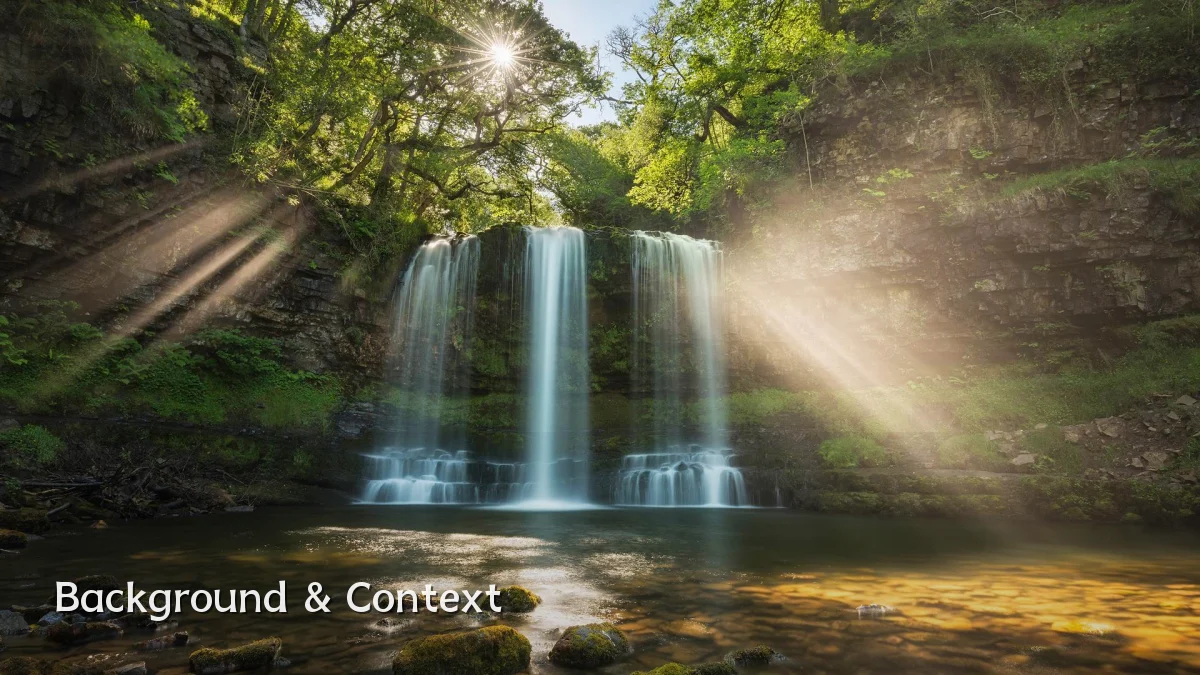
- Lighting: Side-lighting at golden hour emphasizes texture in sand and surf; harsh midday light requires fill flash or reflectors for portraits.
- Composition: Including foreground interest (shells, rocks) adds depth; avoiding horizon lines in the center improves dynamic balance.
- Equipment: Polarizing filters reduce glare from water and wet sand; tripods are essential for long-exposure shots of silky water.
User Concerns & Challenges
Common pain points for photographers at the beach include lens flare from direct sun, salt spray damaging gear, and inconsistent white balance from reflected blue light. Many users report frustration with overexposed skies when metering for subjects in shadow. Others note difficulty finding uncluttered backgrounds during peak tourist seasons. Privacy concerns have also emerged: capturing strangers without consent on public beaches can lead to social media backlash, especially with drone footage. Additionally, environmental guidelines in many protected coastal zones restrict where photographers can set up, impacting composition choices.
"The biggest mistake newcomers make is shooting at noon without a filter, then trying to salvage blown highlights in post-processing. It’s better to shoot in raw and underexpose slightly than to fight clipped data." — Industry observation from photography workshops
- Gear protection: Use waterproof bags and lens cloths; rinse equipment with fresh water after sessions.
- White balance: Manual settings or custom Kelvin values around 5500K-6500K improve skin tones and sand color.
- Legal & etiquette: Check local beach photography permits; avoid interfering with wildlife or nesting areas.
Likely Impact on Photography Practices
As smartphone computational photography improves, the market for compact cameras may contract, while interchangeable-lens cameras with weather-sealing will remain relevant for serious enthusiasts. The trend toward authentic, less-edited images (often called "imperfect realism") is pushing photographers to emphasize natural light and genuine moments rather than heavy post-processing. Social media algorithm changes favoring original content over stock imagery could further drive travel-oriented creators to produce unique beach portfolios. Environmental awareness may also lead to more photography focused on conservation—capturing shore erosion, plastic pollution, or seasonal changes—rather than purely aesthetic shots.
What to Watch Next
- AI-assisted editing tools: New features that auto-adjust sky and water colors may reduce the need for physical filters, but could homogenize styles.
- Drone regulations: Many coastal regions are tightening no-fly zones; watch for updates that affect aerial beach photography.
- Predictive tide algorithms: Apps integrating tide data with golden-hour times will likely become standard planning aids.
- Equity in access: As photography tourism grows, discussions about overtourism and local community rights may influence permitted locations and fees.