Creative Beach Photo Ideas for Capturing Golden Hour Magic
Recent Trends in Beach Photography
Over the past few seasons, beach photographers have shifted toward more intentional use of golden hour light—typically the period roughly one hour after sunrise or before sunset. Social media platforms have seen a rise in silhouette portraits, sun flare effects, and minimal compositions that emphasize the warm, directional light. Another emerging trend is the integration of natural foreground elements, such as wet sand reflections or tide pools, to anchor the frame and add depth.
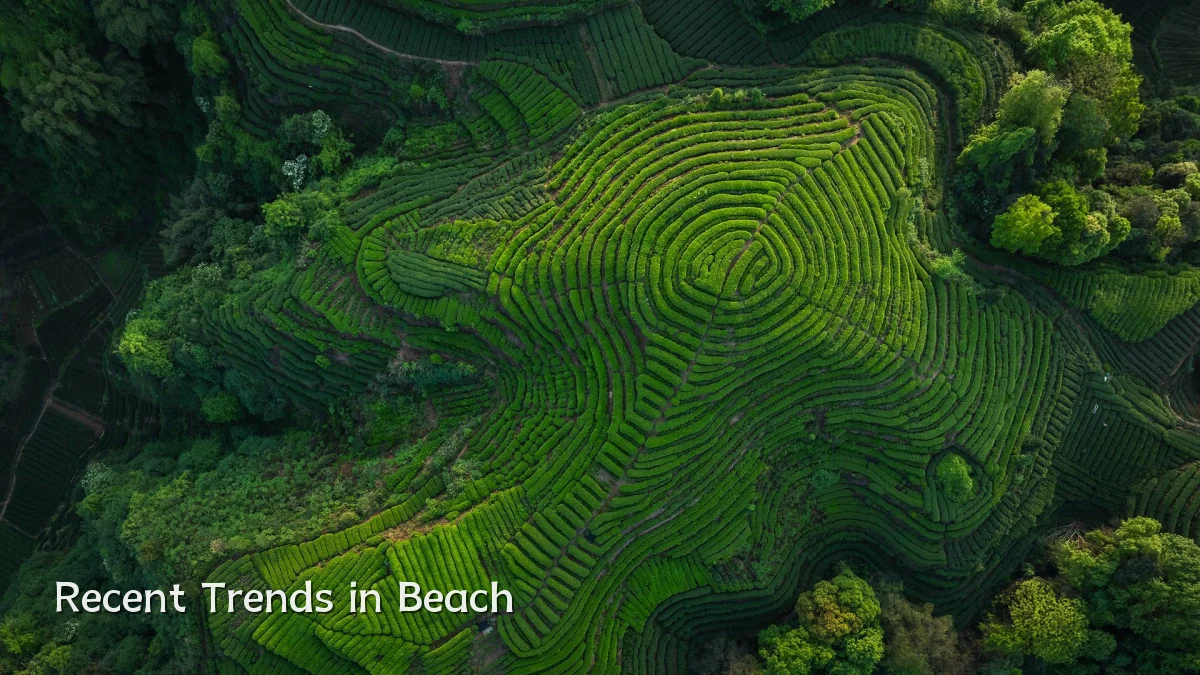
- Silhouette portraits against a low sun with simple poses (e.g., jumping, walking hand-in-hand).
- Sun flare captured by partially obscuring the lens with an edge of a hand or a nearby object.
- Reflections in calm, shallow water after the tide recedes.
- Close-up details of sand textures or footprints lit by low-angle light.
Background: Why Golden Hour Works for Beaches
The combination of open horizon, minimal atmospheric interference, and reflective surfaces makes beaches uniquely suited for golden hour photography. The sun’s angle produces long shadows and a warm color temperature that enhances skin tones and natural scenery. Photographers have long noted that the brief window of soft, diffused light reduces harsh contrast and allows for more flexible exposure settings. This period is also less crowded at most public beaches, giving photographers more freedom to compose shots without interference.
User Concerns and Practical Considerations
Photographers often worry about overexposure, missed timing, or lack of variety in beach landscapes. The rapid change in light during golden hour can lead to blown highlights if settings are not adjusted frequently. Additionally, unpredictable elements—such as clouds, wind, or lingering crowds—can disrupt planned compositions.
- Overexposure risk: Use spot metering on a mid-tone area (e.g., the sky near the sun) and check the histogram.
- Timing: Arrive at least 30 minutes before the golden hour window begins to scout locations and set up.
- Variety: Move between wide-angle landscape shots, portraits, and detail macros to make the most of the changing light.
- Wind and sand: Protect lens fronts with a UV filter and keep a microfiber cloth handy.
Likely Impact on Travel and Content Creation
The growing emphasis on golden hour beach photography is likely to influence how travel and tourism boards market coastal destinations. Expect more guided "sunset photo walks" and workshops offered by local photography clubs. For social media content creators, investing in lightweight, versatile gear—such as a 24-70mm or 70-200mm lens—can yield a higher return on engagement than generic beach snapshots. The trend may also push camera manufacturers to refine low-light autofocus and dynamic range performance in consumer-level bodies.
What to Watch Next
Look for increased use of off-camera flash or reflectors to balance golden hour backlighting without losing the warm ambient tone. Another area to monitor is the integration of drone photography—safely flying at low altitude over shoreline patterns during the golden hour creates striking abstract images. Additionally, as mobile cameras improve computational photography features, more casual users will be able to emulate these creative beach effects without dedicated equipment. The key will be how photographers adapt to changing regulations and environmental rules around beach access and wildlife disturbance.