Essential Tips for Taking Professional Wildlife Photos in Any Environment
Recent Trends in Wildlife Photography
The past few years have seen a surge in accessible camera technology and field guides, enabling more enthusiasts to aim for professional-grade wildlife images. Mirrorless cameras with fast autofocus and improved low-light sensors have become common, while lightweight telephoto lenses allow photographers to work in remote or rugged terrain. Simultaneously, social media platforms reward crisp, storytelling images, pushing photographers to refine technique over gear alone.
Key developments include:
- Wider adoption of silent shooting modes to avoid disturbing animals
- Increased use of camouflage and natural blinds for close-up candid shots
- Rising interest in ethical guidelines, such as maintaining safe distances and not baiting predators
Background: What Defines a Professional Wildlife Photo
A professional wildlife image is often defined by technical sharpness, proper exposure, and a compelling composition that captures an animal's behavior or habitat. Beyond equipment, success depends on understanding animal activity patterns—dawn and dusk are prime times—and adapting to environmental challenges like harsh light, wind, or rain. Pros prioritize patience and fieldcraft over luck, scouting locations in advance and anticipating movement.
Common elements of professional-grade shots include:
- Eye-level or slightly lower angles that create intimacy
- Backgrounds free of clutter, using wide apertures for isolation
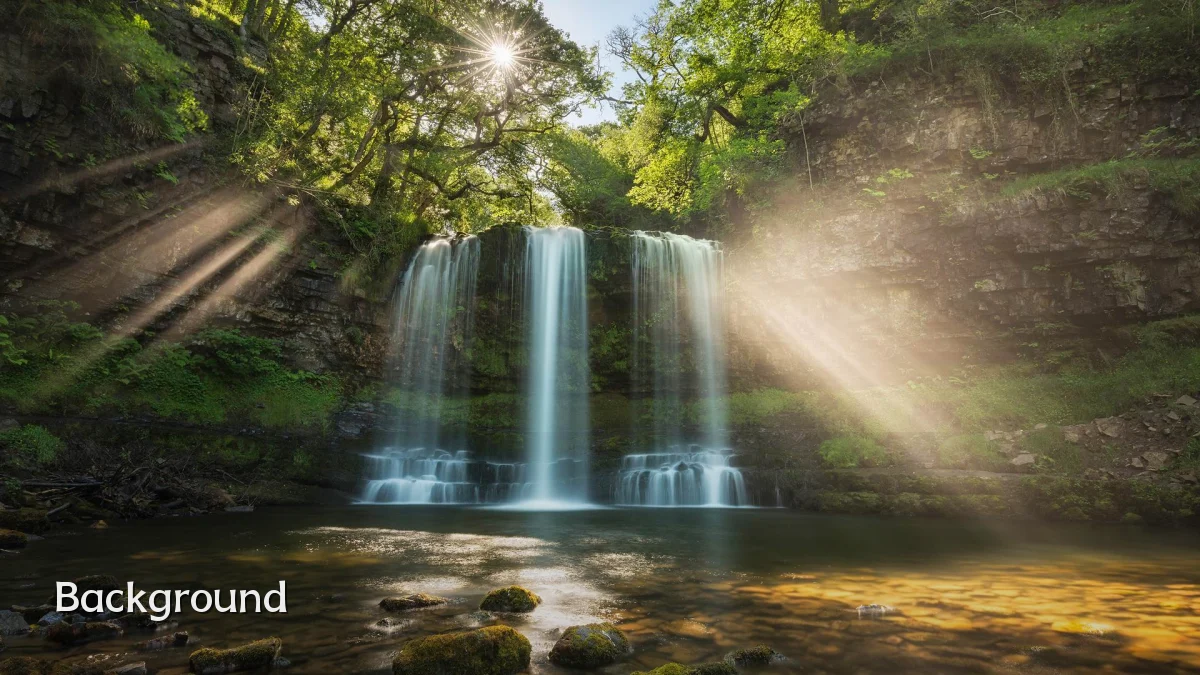
- Natural light management: side-lighting for texture, backlighting for drama
User Concerns: Overcoming Environmental Hurdles
Photographers often struggle with unpredictable elements: low contrast in overcast forests, harsh midday sun in open savannahs, or fast-moving subjects in wetlands. Beginners may invest in high-end gear but still produce flat images due to poor positioning or incorrect settings. Another common pitfall is failing to anticipate animal behavior—such as a bird taking flight—leading to missed focus or crop-heavy shots.
Frequent challenges include:
- Insufficient depth of field when using long telephoto lenses on moving subjects
- Excessive noise in low light, especially at high ISO settings
- Weather protection: moisture, dust, and extreme temperatures damaging equipment
Likely Impact on Photographer Development
Adopting a professional approach—regardless of camera price—tends to improve keeper rates and reduce post-processing time. Photographers who learn to read light and habitat conditions gain confidence in diverse settings, from dense rainforest to open grasslands. Over time, this builds a portfolio that stands out to editors, conservation organizations, or competition judges. On a broader level, ethical wildlife photography supports conservation by showcasing animals without stress, which may encourage responsible tourism and habitat protection.
Expected outcomes include:
- Higher percentage of publishable images per outing
- Greater ability to adapt to changing weather or animal behavior
- Reduced need for heavy cropping, preserving image resolution
What to Watch Next
As sensor and autofocus technology continue to evolve, look for further integration of AI-assisted subject detection tailored to wildlife—especially birds and mammals. Advances in lightweight, high-zoom lenses will likely lower barriers for photographers on foot. Also monitor evolving ethical standards: some parks and reserves are tightening rules on flash use and drone overflights. New online communities focused on fieldcraft, rather than gear reviews, are emerging as valuable resources for sharing location-specific tips and seasonal migration patterns.
Keep an eye on:
- Camera firmware updates that improve animal-eye tracking
- New compact telephoto options under 1 kg for travel
- Workshops emphasizing low-impact field techniques