How to Find Trusted Wildlife Photos for Your Next Project
Recent Trends
Over the past several years, the wildlife-image market has seen a surge in AI-generated visuals and algorithmically altered stock content. At the same time, independent platforms and conservation organizations have begun offering verified collections with transparent provenance. These trends reflect a broader shift: creators now prioritize content that is both authentic and ethically sourced, rather than simply available.
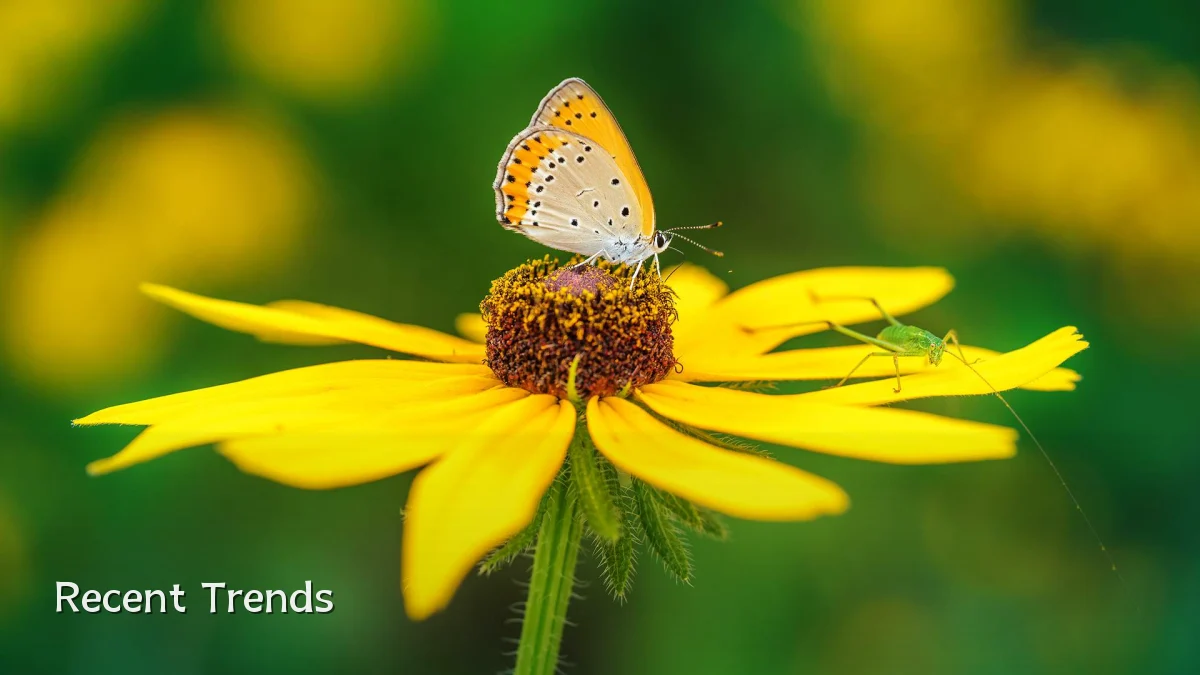
- Rise of synthetic wildlife imagery: Photorealistic AI outputs now mimic real species and habitats, making detection difficult without metadata checks.
- Growth of curated marketplaces: Niche libraries that pair images with location, behavioral notes, and licensing details are gaining use among publishers.
- Increased emphasis on ethical field practices: Audiences and editors alike question whether an animal was stressed or disturbed for a shot.
Background
Wildlife photography has long straddled art and documentation. Early stock agencies collected large volumes but rarely verified the conditions behind a shot. In recent years, the industry has moved toward standards such as the Wildlife Photo Ethics Pledge and the Certified Wildlife-Friendly mark, though adoption remains uneven. Meanwhile, the technical ease of cropping, cloning, or compositing images has made it harder to know what is real.

- Traditional sources: Major stock sites offer convenience, but users must manually search for labels like “wildlife” and then check contributor notes for location or species details.
- Scientific and conservation repositories: Museums, citizen-science projects, and protected-area publications often provide images with full credit and context.
- Metadata gaps: Many photos lack EXIF data or location tags, forcing project managers to rely on reputation alone.
User Concerns
Project teams face three recurring worries when selecting wildlife imagery: authenticity, licensing risk, and ethical representation. A photo that appears natural may be staged, captive, or digitally altered. Licensing terms can vary widely—some “royalty-free” images still require model or property releases. And using a photograph that depicts an animal in a stressful situation can attract criticism regardless of legal compliance.
- Authenticity doubts: Without a field note or seasoned photographer credit, it is nearly impossible to confirm that the animal was free and undisturbed.
- Legal ambiguity: Even well-meaning users can accidentally violate copyright if they rely on reverse-image searches that don’t show ownership history.
- Reputational risk: Publications and brands increasingly face public scrutiny about the “backstory” of their visuals, especially when the subject is a threatened species.
Likely Impact
The push for trusted wildlife photos is reshaping how content is produced, purchased, and verified. For project managers, the immediate effect is a longer sourcing process but fewer surprises later. Over time, expect more platforms to incorporate verification badges or third-party audits. Production budgets may shift slightly toward premium curated packs rather than bulk subscriptions, and editorial teams will likely add a “sourcing statement” to image captions.
- Slower selection workflows: Editors spend extra time checking contributor profiles and license terms.
- Higher upfront costs for verified sets: A reputable batch from a conservation source may cost more than a generic stock pack, but saves legal fees down the line.
- Changed expectations for captions: Headnotes may need to specify location, date, and whether the animal was wild, captive, or sanctuary-raised.
What to Watch Next
Two developments are likely to influence how “trusted” wildlife photos are identified in the near future. First, metadata standards (e.g., the IPTC’s “ethical guidelines” fields) are being updated to include animal-welfare notes. Second, several nonprofit coalitions are piloting verification programs that allow contributors to submit proof of ethical fieldwork. If these gain traction, project teams may soon have a simple “verified” filter in their search tools. Meanwhile, watch for stock agencies to begin labeling AI-generated wildlife images explicitly—or risk losing credibility with conscientious buyers.
- Adoption of the IPTC Photo Metadata Ethical Guidelines among major contributors.
- Launch of community-run registries for wildlife photographers who share field notes.
- Greater legal clarity on synthetic wildlife imagery: whether it must be tagged and how it affects copyright claims.