Tips for Buying Stunning Wildlife Photos That Actually Sell
Recent Trends in the Wildlife Photo Market
The market for wildlife photography has shifted noticeably in the past few seasons. Buyers—whether they are interior designers, hospitality firms, or digital content creators—now prioritize images that balance raw nature with commercial viability. Increasingly, demand is for photos with strong compositional clarity and clear subject focus, rather than abstract or overly artistic shots. Many buyers also seek images that can be used across multiple formats, from large-format prints to social media thumbnails.
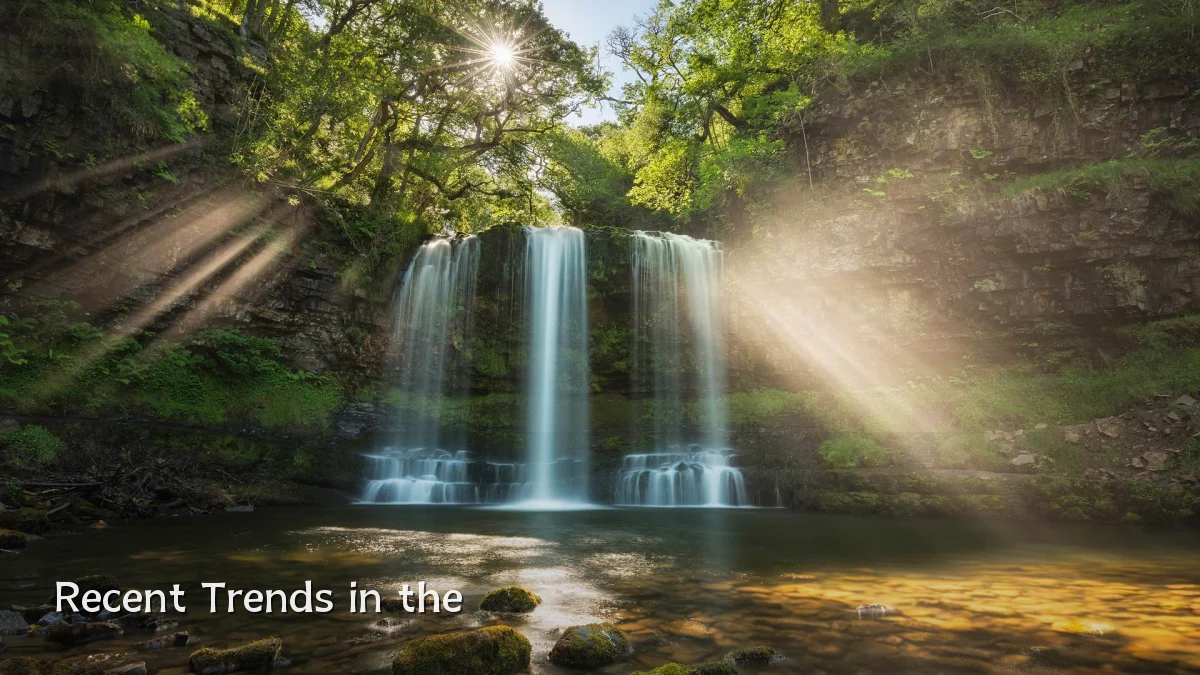
- Sales of images featuring rarely seen behavioral moments (e.g., hunting, parenting, migration) are rising faster than generic portraits.
- Buyers report a growing preference for warm, natural lighting over high-contrast, heavily processed looks.
- Mobile-friendly aspect ratios (1:1, 4:5, 16:9) are increasingly requested alongside traditional 3:2 and 4:3 ratios.
Background: Why Some Wildlife Photos Sell and Others Don’t
Wildlife photography has long been a staple of stock agencies and niche print shops, but the criteria for “sellable” images have tightened. Historically, any sharp shot of a charismatic animal could find a buyer. Today, buyers look for images that solve a specific visual need—whether that’s a mood for a hotel lobby or a header for a conservation blog. The key differentiator is storytelling: an image that suggests a moment, a mood, or a natural interaction tends to outperform a static portrait.
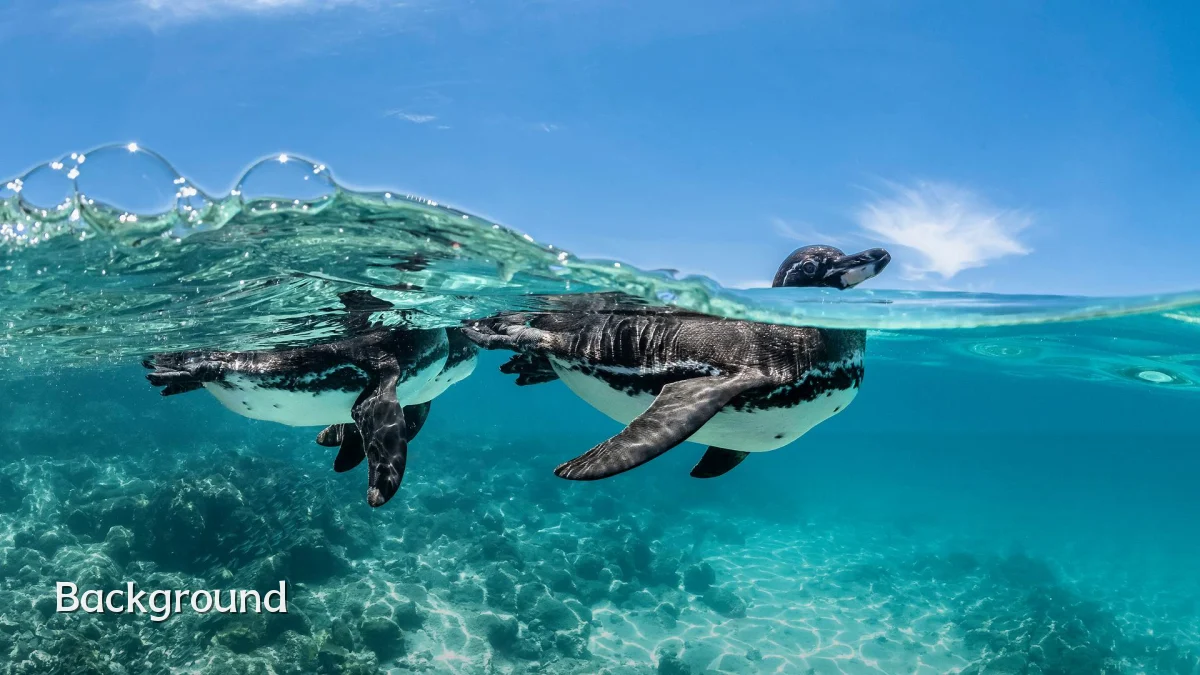
- Photos with a clear background separation (bokeh or clean backdrop) sell more reliably than busy, cluttered scenes.
- Images that include subtle human elements—like a distant trail or a conservation vehicle—can add context without becoming the focal point.
- Captive or obviously managed animals typically underperform compared to true wild subjects, unless the buyer specifically licenses for educational content.
User Concerns When Buying Wildlife Photos
Buyers face several practical challenges when selecting wildlife images for commercial use. Licensing clarity is a primary concern: many buyers worry about model releases (unnecessary for wild animals in public spaces) or property releases (needed for private reserves or animal sanctuaries). Resolution and file integrity also matter—images that are upscaled or overly compressed often fail print checks.
- Licensing confusion: Royalty-free vs. rights-managed vs. editorial-only. Buyers should confirm usage restrictions before purchase.
- Print quality: A 300 DPI file at the intended output size is standard; ask for a test crop if the file size seems low.
- Exclusive vs. non-exclusive: Some agencies offer exclusive rights for a premium, which can prevent competitors or stockists from using the same image.
- Authenticity concerns: Over-staged or composite images can damage brand trust. Check the photographer’s metadata and notes on whether the scene was manipulated.
Likely Impact on Photographers and Buyers
The shift toward buyer-driven curation is likely to widen the gap between hobbyist shooters and professional specialists. Photographers who consistently capture rare behaviors in clean, saleable compositions will command higher fees. Meanwhile, buyers who invest time in learning about wildlife behavior and lighting conditions will select images that resonate more with audiences, reducing the need for multiple revisions later.
- Expect more agencies to offer curation services or “visual briefs” that match specific buyer needs.
- Pricing models may move toward project-based licensing rather than per-image flat rates, especially for high-demand species or locations.
- Demand for images from less-common ecosystems (e.g., temperate rainforests, savannahs during wet season) may increase as buyers seek distinct visuals.
What to Watch Next
Keep an eye on two emerging areas. First, the integration of AI-powered image tagging and search is making niche wildlife shots easier to find—but it may also increase competition for generic subjects. Second, sustainability claims are becoming a factor: buyers are beginning to ask whether a photograph was obtained without stressing the animal (e.g., use of remote cameras or long lenses). Platforms that verify ethical shooting practices could gain a trust advantage.
- Look for marketplaces that tag images with “camera trap” or “hide-only” data.
- Observe how agencies handle the growing demand for rare species—will they require proof of permit or field notes?
- Watch for pricing changes in wildlife photo subscription services; some may introduce tiered plans based on image rarity.