Tips for Stunning Wildlife Photos on Your First Safari
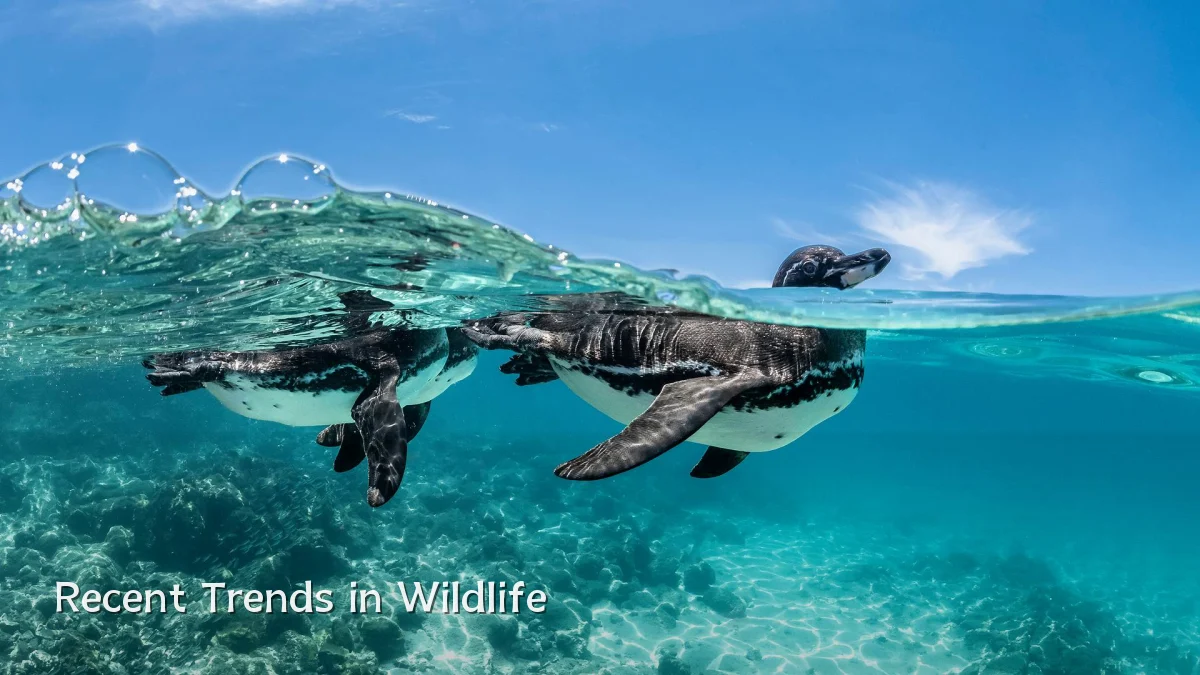
Recent Trends in Wildlife Photography for First-Time Safari-Goers
Over the past few seasons, more travelers are pairing their first safari with a dedicated focus on photography. Camera clubs and online forums report a surge in questions about entry-level gear, ethical shooting distances, and lightweight telephoto lenses. Social media feeds now prioritize candid, natural-light images over heavily edited shots, encouraging beginners to learn in-camera composition rather than rely on post-processing.
Background: Why First-Safari Photography Demands a Different Approach
A first safari typically involves limited time at each sighting, unpredictable animal behavior, and shared vehicles. Unlike studio or landscape photography, success depends on quick reaction, understanding animal movement patterns, and respecting park guidelines. Many first-timers underestimate the importance of fieldcraft—knowing where to position yourself relative to the sun, wind, and animal lines. Guides and experienced photographers increasingly emphasize mental preparation over equipment upgrades.
Key User Concerns for Capturing Stunning Shots
- Gear anxiety: Beginners worry they need expensive, long lenses. In practice, a 100–400mm zoom or a 70–300mm on a crop-sensor body works well for most open-habitat sightings.
- Light management: Early mornings and late afternoons provide warm, soft light. Midday harsh light washes out colors and creates unflattering shadows.
- Camera settings confusion: Shutter priority (1/500 sec or faster for moving animals) and auto ISO help novices avoid blur while learning aperture trade-offs.
- Ethical and legal boundaries: Some parks restrict drone use or approaching animals; staying inside the vehicle and using natural cover is both safe and respectful.
- Post-processing expectations: Many first-timers over-crop or over-sharpen. A simple exposure adjustment and slight clarity boost often yield more natural-looking results.
Likely Impact on the Safari Photography Experience
Adopting these tips can transform a first safari from a chaotic snapshot spree into a rewarding learning experience. Travelers who prioritize patience and observation—waiting for a lion to yawn or a giraffe to turn its head—tend to return home with a handful of standout images rather than hundreds of mediocre files. Guides report that groups practicing these techniques also show greater respect for wildlife welfare, as they spend less time chasing subjects and more time appreciating behavior.
On the industry side, lodges and tour operators are beginning to offer dedicated photography vehicles with beanbags and lower seat heights, catering to this growing demand. This shift may lead to more specialized itineraries that allocate extra time at key sighting locations, improving success rates for first-time photographers.
What to Watch Next
Keep an eye on advances in smartphone computational photography—new AI-driven telephoto modes and improved optical zooms could lower the barrier further for casual safari-goers. Additionally, the trend toward “slow safaris” (staying with one animal group for longer periods) may reshape how first-timers plan their trips. Finally, watch for updated park regulations on camera use near predators; some reserves are considering stricter distance rules to reduce stress on animals during peak tourism months.