Mastering the Art of the Professional Nature Photo: Essential Camera Settings
Recent Trends in Nature Photography
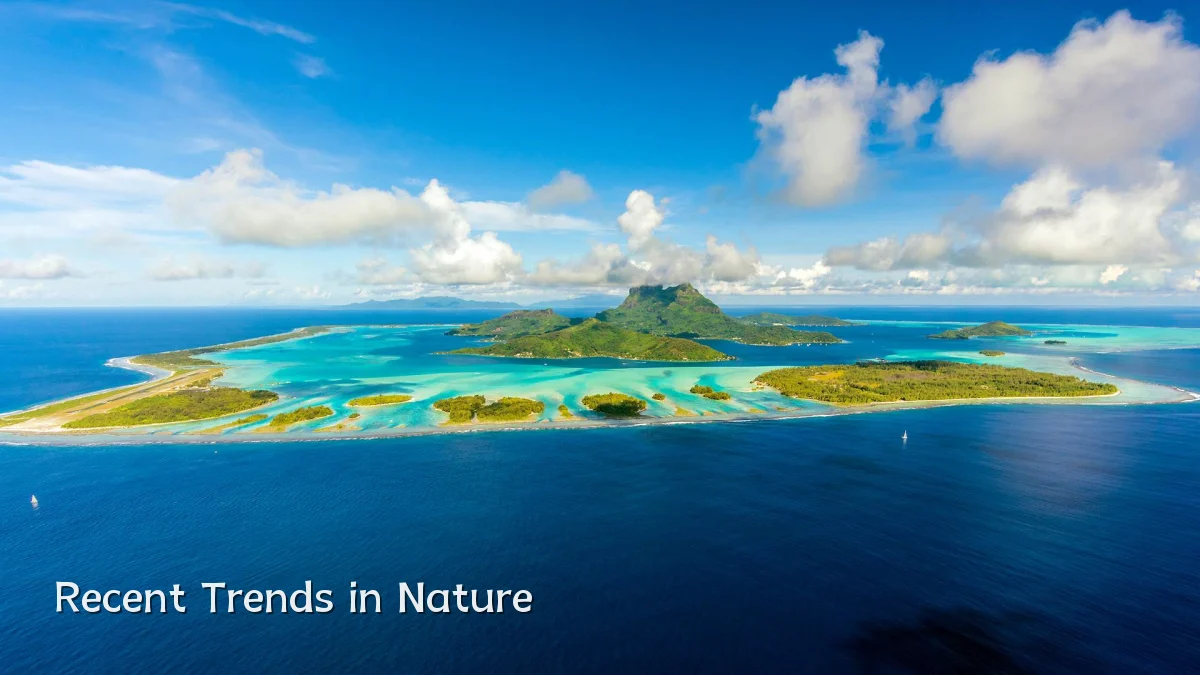
Over the past few seasons, the tools and techniques used by nature photographers have shifted noticeably. Mirrorless camera bodies with high dynamic range sensors now dominate field workflows, while computational features—such as focus stacking and in-body stabilization—are increasingly standard. Social media platforms continue to reward sharp, well-composed images that feel both authentic and technically polished. As a result, mastering core camera settings has become a baseline expectation, not a differentiator.
Background: Why Essential Settings Matter
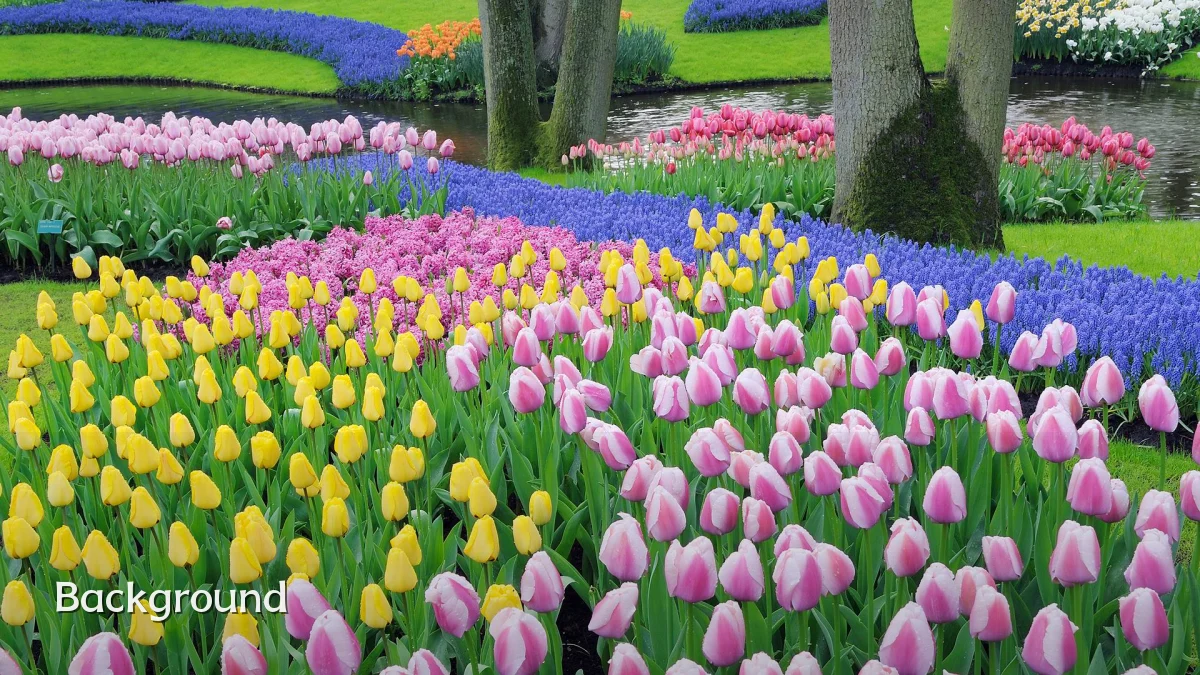
A "professional nature photo" is generally defined by its clarity, controlled depth of field, accurate exposure, and thoughtful use of natural light. While composition and timing are paramount, the technical foundation relies on three primary controls:
- Aperture — determines depth of field; a narrow aperture (f/8–f/16) is typical for landscape detail, while wide apertures (f/2.8–f/4) isolate wildlife subjects.
- Shutter speed — freezing motion (1/500 s or faster for birds in flight) versus allowing intentional blur (slower speeds for water or wind effects).
- ISO — balancing sensitivity and noise; base ISO (100–200) is ideal in good light, while raising to 800–1600 may be necessary at dawn or dusk.
Practice among experienced shooters often involves manual or aperture-priority modes, plus careful use of exposure compensation to preserve highlight and shadow detail.
User Concerns
Common anxieties among aspiring nature photographers include:
- Overexposed skies or dark foregrounds — Gradated neutral density filters or exposure bracketing are typical solutions.
- Blurry images from camera shake — Tripods, faster shutter speeds, or image stabilization settings help mitigate this.
- Inconsistent autofocus with moving subjects — Continuous AF modes and back-button focus are recommended.
- File size and storage demands — Shooting in compressed RAW vs. JPEG requires balancing editing flexibility with memory capacity.
Likely Impact on the Field
As camera technology becomes more capable at a lower price point, the gap between hobbyist and professional results narrows. However, mastery of fundamental settings remains a differentiating skill. Workshops and online tutorials increasingly emphasize practical exercises—such as reviewing histogram data in the field—rather than relying solely on post-processing. This trend likely raises the overall quality of published nature work, while also pushing manufacturers to focus on user-friendly manual controls.
Another anticipated effect: more photographers will adopt hybrid shooting (stills and video) using the same exposure fundamentals, especially for dynamic natural phenomena like auroras or storms.
What to Watch Next
Several developments may influence how professionals approach camera settings in the next few years:
- Sensor technology — Improved low-light performance could allow higher ISO use without noise, reducing the need for fast lenses.
- AI-assisted autofocus — Animal-eye and bird-eye detection already reduces manual adjustment; expect refinement for more species and angles.
- In-camera processing — Tools like highlight-weighted metering and auto-exposure stacking may simplify on-location decisions.
- Environmental conditions — Increasingly unpredictable weather patterns may push photographers to prioritize rugged gear and faster setup workflows.
For now, the most reliable path to a professional nature photo remains understanding why each setting matters in a given scene, then applying that knowledge consistently in the field.