Tips for Capturing Stunning Independent Nature Photography
Recent Trends in Independent Nature Photography
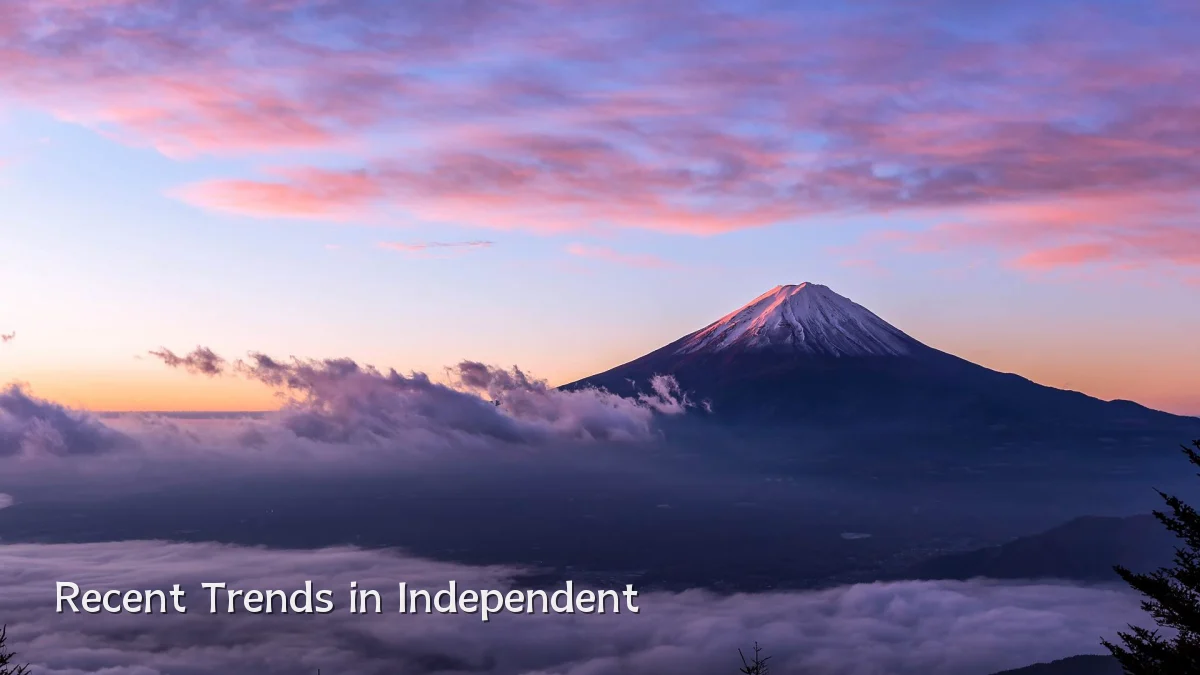
A growing number of photographers are stepping away from crowded landmarks and curated photo tours, choosing instead to scout their own locations using satellite maps, weather apps, and local knowledge. Social media feeds show a shift toward raw, unscripted moments — a solitary deer in morning mist, cracks in desert salt flats, or storm light over unfamiliar ridgelines. The term "independent nature photo" now connotes work that is self-directed, often shot without permits or commercial support, and shared on personal portfolios rather than stock galleries.
Background: Why Independence Matters
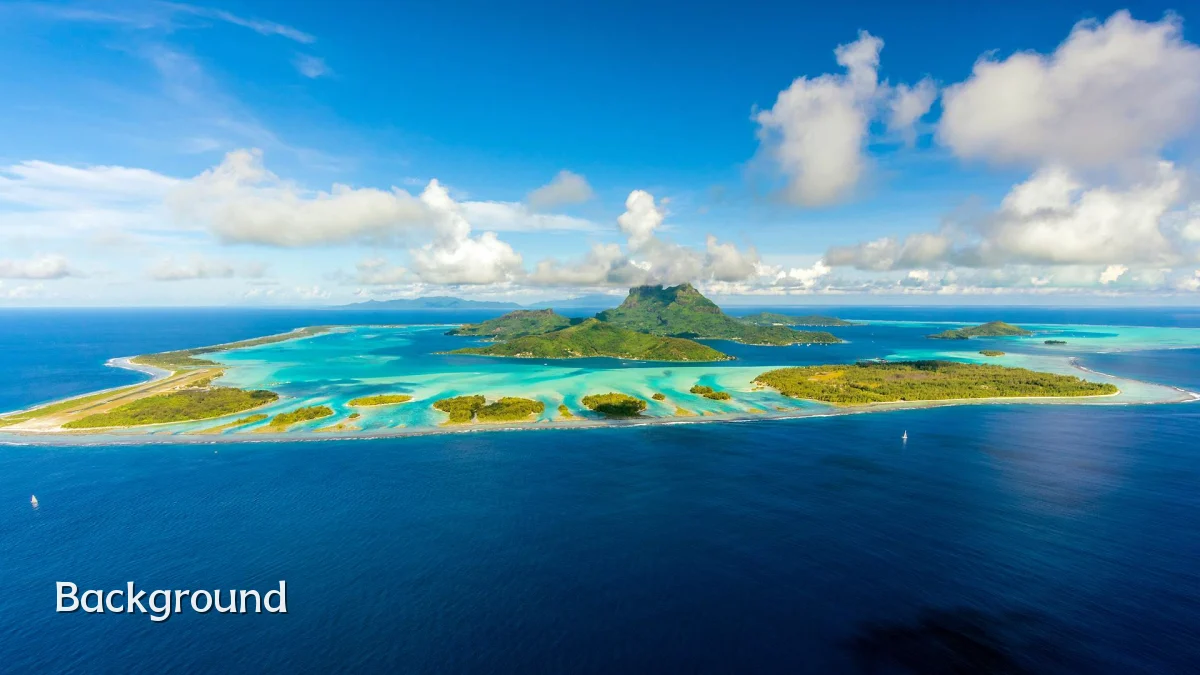
Independent nature photography has long roots in the tradition of field naturalists who documented wilderness before the era of digital ratings. Today, the appeal lies in creative freedom — no need to accommodate group schedules or repeat the same compositions found on travel blogs. Photographers cite the ability to revisit a location at different seasons, experiment with unconventional framing, and develop a personal visual language. The rise of affordable mirrorless cameras and lightweight tripods has lowered barriers to solo backcountry work.
User Concerns: Practical and Ethical Questions
- Safety in remote areas — Independent photographers often travel alone, raising questions about emergency communication, navigation, and wildlife encounters.
- Respect for the environment — Without guide oversight, there is risk of trampling vegetation, disturbing nesting animals, or leaving traces. Leave No Trace principles become essential.
- Image licensing and ownership — Independent creators must understand copyright basics, model releases for identifiable people, and the limits of shooting on public versus private land.
- Post-processing authenticity — Audiences increasingly scrutinize heavy digital manipulation. Many independent photographers choose to disclose editing steps to maintain trust.
Likely Impact on the Photography Landscape
As more enthusiasts adopt independent approaches, traditional photo workshops may need to emphasize small groups and custom itineraries to stay relevant. Stock photography platforms could see a surge in genuine, raw imagery that competes with polished studio nature shots. Conservation groups may partner with independent photographers to document sensitive habitats without the foot traffic of organized tours. Conversely, the lack of curated curation could lead to oversaturation of generic forest or beach scenes unless photographers invest in strong storytelling.
What to Watch Next
Look for developments in portable technology — solar chargers, gimbals, and field laptops — that make extended solo trips more feasible. Also monitor changes in public land access policies, as some popular wilderness areas introduce permit lotteries or trail limits. Independent nature photographers should track emerging platforms (like federated photo sharing or print-on-demand services) that offer better revenue splits than mainstream stock agencies. Finally, watch for community-led map projects that tag ethical shooting spots, balancing discovery with conservation.