Essential Tips for Stunning Nature Photography
Recent Trends in Informational Nature Photography
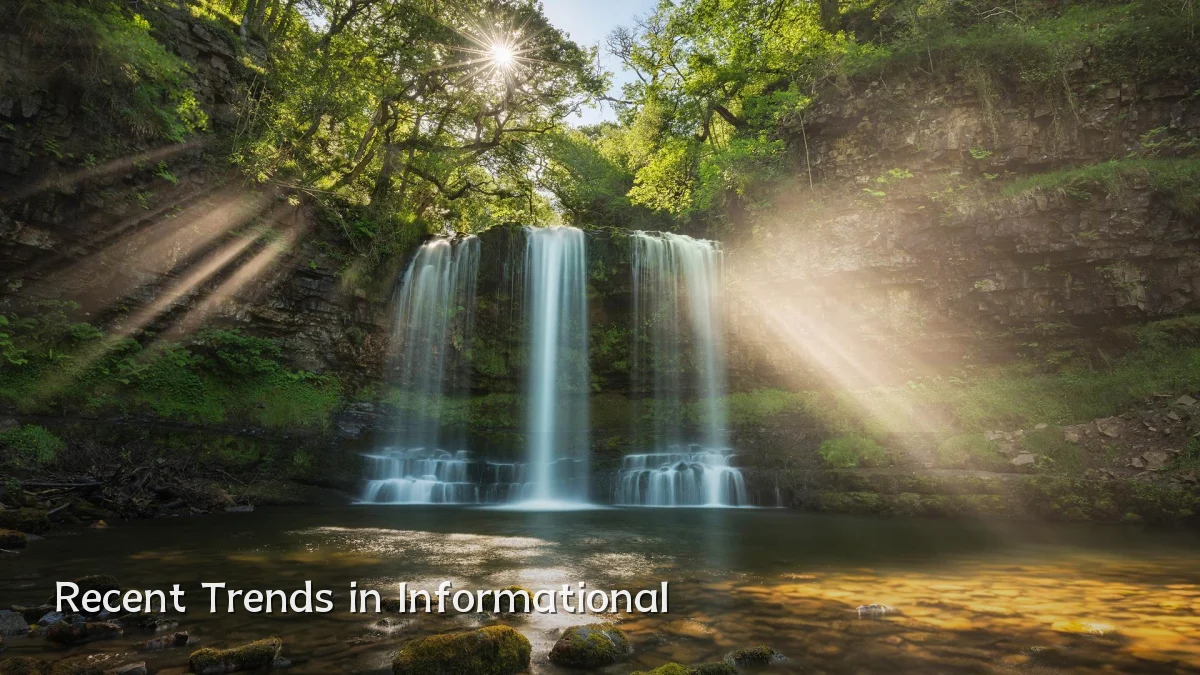
Nature photographers increasingly combine aesthetic composition with factual documentation—what some call an “informational nature photo.” Recent years have seen a rise in images that not only capture beauty but also convey data about species, habitats, or environmental conditions. Field guides, citizen science platforms, and conservation reports now rely on images that are both visually compelling and scientifically useful.
- Growth of smartphone apps that overlay metadata (location, time, weather) directly onto photos.
- Social media accounts that tag species and ecosystems, turning posts into mini-databases.
- Museums and nature centers requesting images that document behavioral or seasonal changes.
Background – The Shift from Aesthetic to Informational
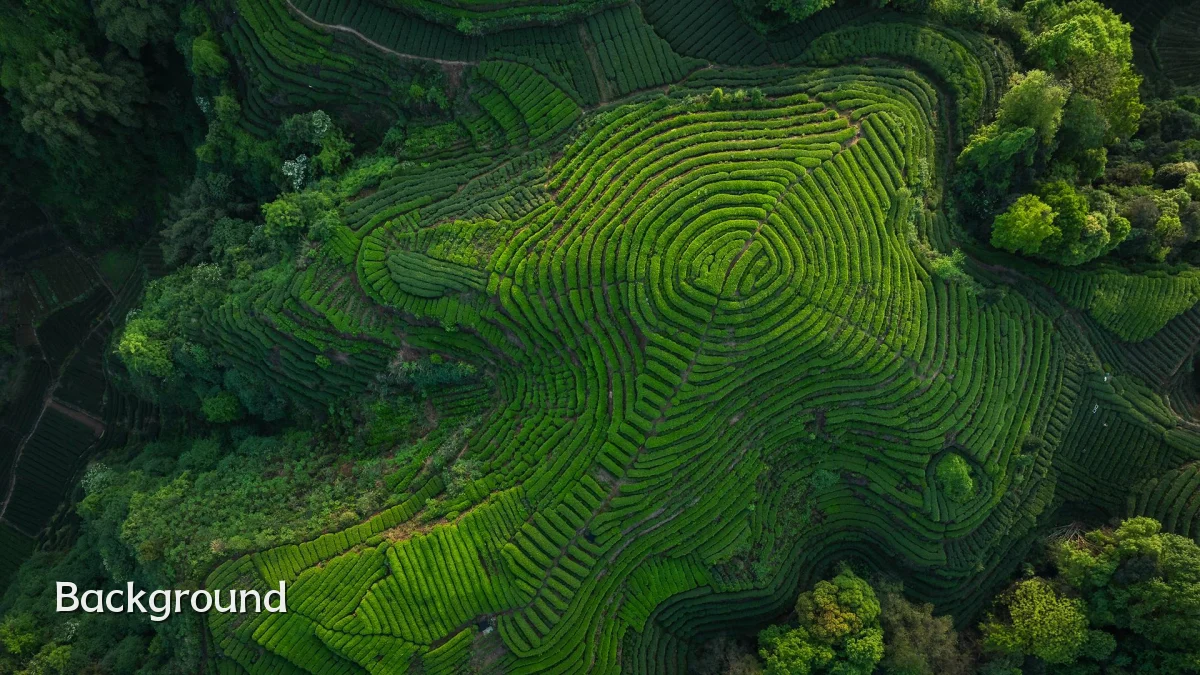
Historically, nature photography prioritized artistic impact—dramatic light, composition, and colour. Over the past decade, however, photographers and researchers alike have recognized the value of images that also serve as records. A well-exposed shot of a rare bloom becomes more useful when it includes a clear view of leaf shape, habitat context, and a scale reference. This shift mirrors a broader trend in amateur science: the public’s growing ability to contribute meaningful observation data through photography.
Key factors driving the change include affordable high-resolution cameras, GPS‑enabled devices, and online platforms that classify images by species or phenomenon. The result is a new expectation: that a stunning photo should also be informative.
User Concerns – Balancing Beauty and Data
Many photographers worry that focusing on informational content will compromise artistic freedom. Common concerns include:
- Loss of spontaneity – Stopping to note details or adjust exposure for clarity may disrupt creative flow.
- Technical demands – Getting both a pleasing composition and a sharp, well-lit subject that shows identifying features can require practice and sometimes extra equipment (e.g., a macro lens or external flash).
- Post-processing limits – Heavy editing may render an image less credible for scientific use.
- Storage and organisation – Keeping metadata clean and tagging consistently adds administrative overhead.
Yet these challenges can be addressed with simple habits: pre‑set camera profiles that capture raw + jpeg, keep a small field notebook for quick notes, and learn to verify identification using reliable resources before sharing.
Likely Impact on Nature Photography Practices
As informational nature photos become more valued, photographers will likely adapt in several ways:
- Greater emphasis on context – Including habitat, weather, and other subjects (e.g., a bird perched on a specific plant) adds scientific utility without sacrificing beauty.
- Rise of “field‑first” workflows – Taking a few seconds to note GPS waypoints or lighting conditions can later save hours of guesswork.
- More collaboration – Scientists and photographers will share guidelines on what makes an image useful (e.g., showing both dorsal and ventral views for insects).
- Expanded use in conservation – High‑quality identified images can be used to track species distributions, phenology, and response to climate shifts.
For the amateur, this shift means that even snapshots taken on a mobile phone can contribute to real research—as long as the image is clear and the subject is identifiable.
What to Watch Next in the Field
Several developments are worth monitoring:
- AI‑assisted identification tools – Apps that instantly recognize species and suggest informative angles may reduce the learning curve for beginners.
- Metadata standards – Platforms like iNaturalist already enforce certain data fields; expect more sites to adopt similar requirements.
- Workshops and tutorials – Photography courses that teach how to capture both art and information will become more common.
- Ethical guidelines – As informational photos increase, so will discussions about disturbing wildlife or habitats for the sake of a “better” record.
Photographers who embrace the trend now will be well positioned to have their work used in education, research, and advocacy—while still producing images that inspire wonder.