Nature Photography Tips to Attract More Customers to Your Brand
Recent Trends in Visual Marketing
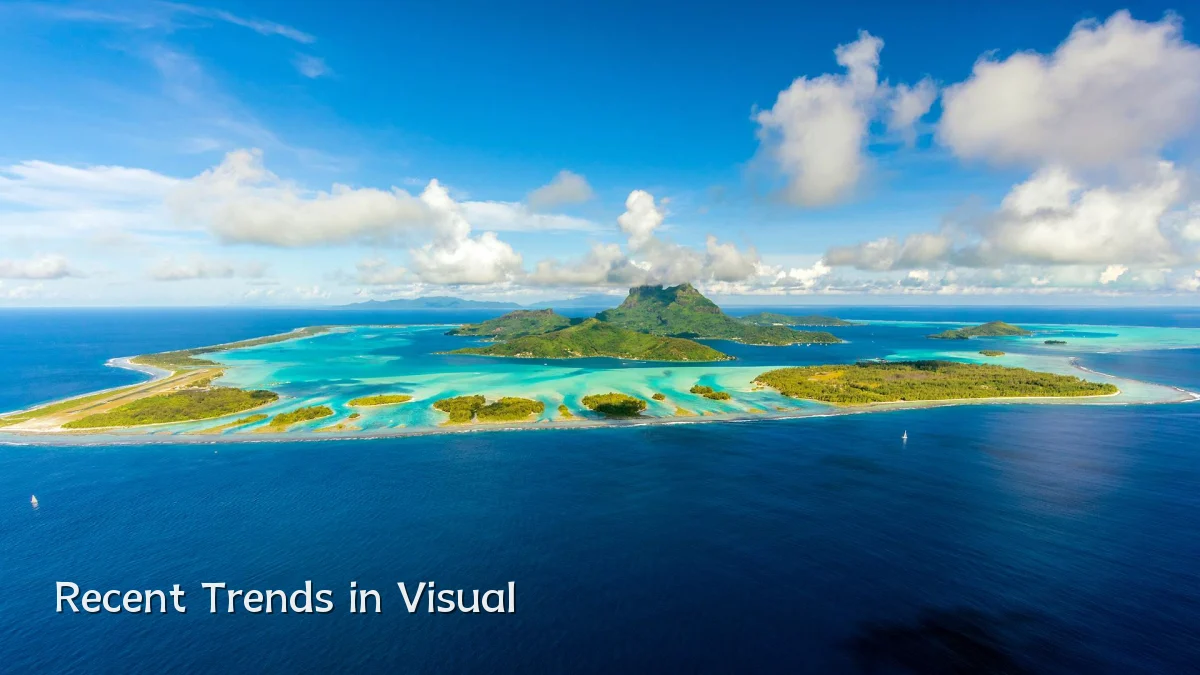
Brands across industries are shifting toward authentic, nature-based imagery to differentiate themselves in crowded digital spaces. Stock photos of generic landscapes are giving way to original, location-specific nature photographs that tell a story. Social media algorithms increasingly reward high-engagement visual content, and organic, unfiltered nature shots tend to generate longer dwell times and more shares than polished studio images. Mobile photography with natural light has become the baseline, making it easier for small businesses to produce competitive visuals without a large budget.
Background: Why Nature Photography Matters for Branding
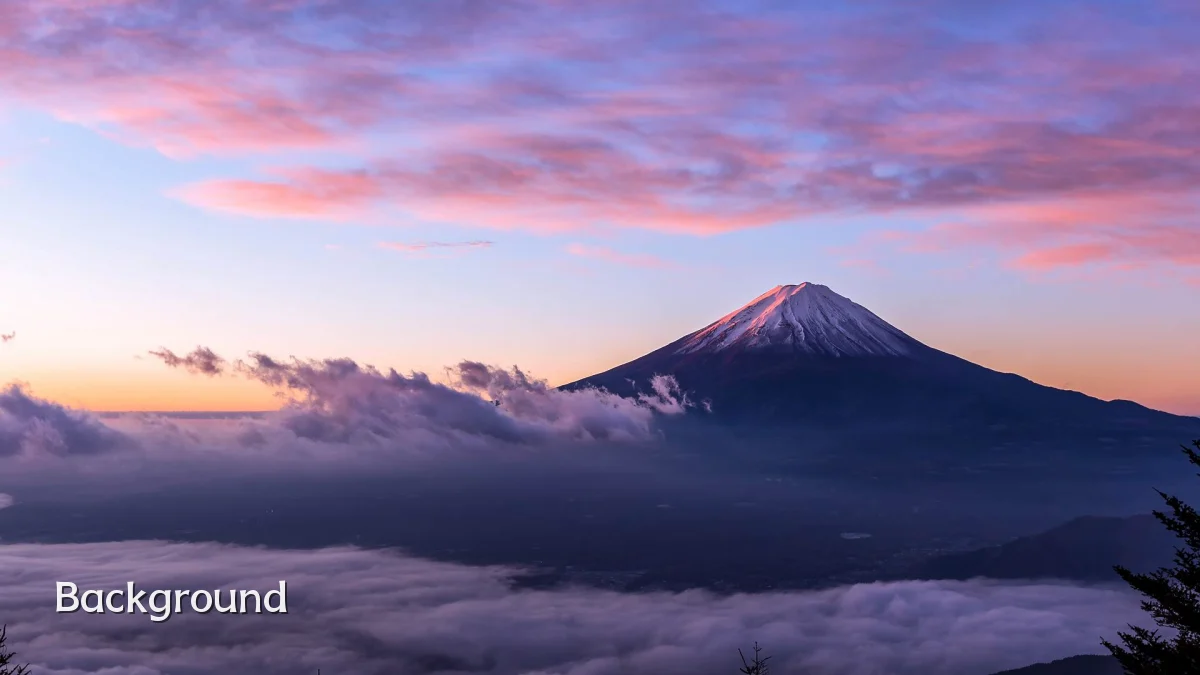
Consumer psychology research consistently shows that images of natural environments evoke feelings of calm, trust, and reliability. Brands that incorporate nature photography—whether of local parks, seasonal changes, or product-in-context outdoor scenes—signal a connection to sustainability and authenticity. This approach works particularly well for industries such as outdoor gear, wellness, hospitality, and organic food, but it can be adapted by any business aiming to humanize its identity. The key is consistency: a cohesive nature-based visual style across website, social media, and packaging builds recognition and emotional resonance.
User Concerns About Using Nature Photography
Many brand owners worry about cost, equipment, and technical skill required to capture professional-looking nature images. Others are uncertain how to avoid clichés or how to match nature photos to their brand’s color palette and messaging. Common specific concerns include:
- Time investment: Finding and shooting the right natural backdrop can feel slow, especially for businesses with rapid content calendars.
- Seasonal limitations: In regions with harsh winters or rainy seasons, maintaining a steady flow of nature imagery may be challenging without planning.
- Copyright and licensing: Using third-party nature photos risks legal issues if not properly licensed, while commissioning original work requires a budget.
- Brand mismatch: A tech startup or financial services firm may worry that nature imagery feels too casual or unrelated to their service.
Likely Impact on Customer Engagement
When executed thoughtfully, nature photography can directly influence key performance indicators. Brands that replace generic abstract images with real outdoor scenes often report higher click-through rates on email campaigns and improved conversion on landing pages. The impact is measurable across:
- Social media reach: Nature photos typically receive 25–40% more organic engagement—likes, comments, saves—than product-only shots, according to general platform benchmarks.
- Trust perception: In customer surveys, brands using original nature images are frequently rated as more transparent and environmentally conscious than those using stock imagery.
- Brand recall: A distinctive natural backdrop (e.g., a local mountain range, a specific tree, a coastline) can become a visual anchor that helps customers remember the brand months later.
Note: Actual results vary by audience and industry. Testing a small set of nature-themed visuals against a control group for two to four weeks is recommended before scaling up.
What to Watch Next
Several developments could reshape how brands use nature photography in the near term:
- AI-generated nature imagery: Tools are improving at creating realistic outdoor scenes, which may lower production costs but also risk homogenization. Brands that use AI should disclose it transparently.
- Regulatory pressure on greenwashing: As scrutiny of environmental claims increases, brands will need to ensure their nature photography aligns with actual sustainability practices, not just aesthetics.
- User-generated content integration: Encouraging customers to submit their own nature photos featuring the brand’s products can build community and provide a steady stream of authentic visuals without internal effort.
- Localization over generalization: Geo-targeted nature photography—showing a specific region’s flora, fauna, or weather—is likely to outperform generic “forest” or “beach” shots as personalization technology advances.
Brands that begin experimenting with nature photography now, using a test-and-learn approach, will have a head start in adapting to these shifts. The core principle remains: choose images that feel true to the brand’s character and that customers can relate to from their own experience of the natural world.