Easy Nature Photography Tips for Student Beginners
Recent Trends in Student Nature Photography
Over the past several academic cycles, a noticeable shift has occurred: more students are turning to nature photography as a low-barrier creative outlet. Rather than requiring expensive studio gear, this discipline leverages what many already own—a smartphone or a basic entry-level camera. Social media platforms have further fueled this interest, with short-form video tutorials and photo-sharing communities making the learning process more visual and immediate.

Key observations include:
- Smartphone cameras now offer manual controls (e.g., exposure, focus lock) that were once exclusive to dedicated cameras.
- University clubs and online groups focused on "campus nature walks" have grown in informal popularity.
- Free editing apps with cropping and color adjustment tools have lowered the technical barrier for beginners.
Background: Why Nature Photography Appeals to Students
Nature photography offers students a flexible, low-cost entry point into visual storytelling. Unlike studio photography, it does not require controlled lighting or rented spaces—subjects are available in local parks, gardens, or even on a dormitory windowsill. The activity also supports mental well-being by encouraging time outdoors away from screens.
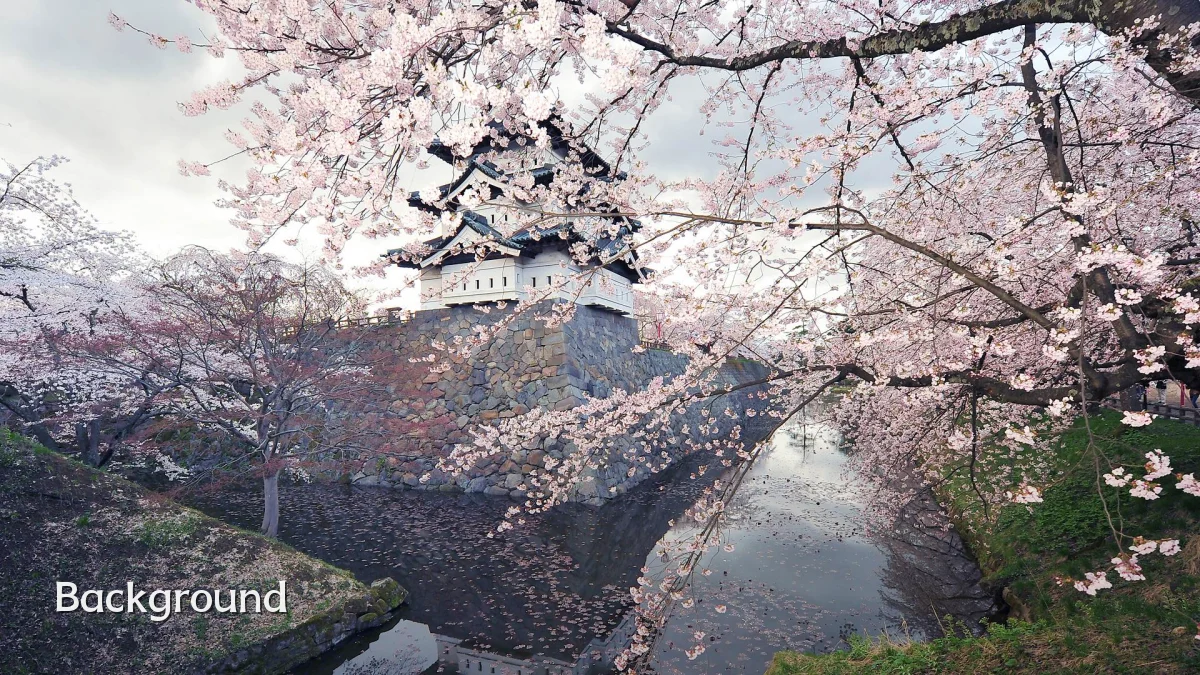
Foundational techniques remain simple to grasp:
- Lighting: Early morning or late afternoon provides softer, more flattering light than midday sun.
- Composition: The rule of thirds—placing subjects slightly off-center—adds visual interest without complex planning.
- Focus: Tapping the screen (on a phone) or using a single autofocus point (on a camera) keeps the main subject sharp.
User Concerns: Common Challenges for Beginners
Despite low barriers, student beginners often encounter specific frustrations. The most frequently cited issues include:
- Gear confusion: Uncertainty about whether a smartphone is "good enough" or if a budget DSLR is required.
- Finding subjects: Perceived lack of "dramatic" scenery leads to inaction.
- Lighting problems: Harsh shadows or blown-out highlights when shooting at midday.
- Composition struggles: Photos that feel flat or cluttered despite decent subject matter.
- Editing overwhelm: Too many filters and sliders in apps cause indecision.
Practical guidance that works with existing equipment, not expensive upgrades, is what most student beginners need to build confidence.
Likely Impact: Practical Outcomes for Student Beginners
Adopting a few core habits can produce noticeable improvements in a student’s nature photography within a few outings. The expected effects include:
- Greater willingness to shoot regularly, leading to faster skill development.
- Improved observation of light, texture, and patterns in everyday environments.
- A portfolio of images suitable for class projects, club submissions, or personal social media.
- Reduced anxiety about technical settings, as students learn to prioritize light and composition first.
Over a semester, consistent practice often translates into sharper images, better color handling, and a clearer personal style.
What to Watch Next
Looking ahead, several developments may further shape the student nature photography experience:
- AI-assisted tools: Automated subject detection and one-tap enhancement in editing apps will reduce the learning curve for post-processing.
- Campus-based photo challenges: Informal competitions or weekly themes on platforms like Instagram or Discord could increase peer learning.
- Affordable accessories: Clip-on macro lenses or mini tripods for phones are becoming cheaper and more available.
- Environmental awareness trends: Student interest in documenting local biodiversity may merge with advocacy or citizen science projects.
For now, the most practical path for any student beginner remains simple: start with what is available, focus on light and composition, and shoot regularly in familiar outdoor spaces.