Mastering Golden Hour for Professional Nature Photography
Recent Trends in Golden Hour Photography
Over the past several seasons, professional nature photographers have increasingly turned to precise timing and planning tools to capture the "golden hour"—the brief period just after sunrise and before sunset. Social media platforms and portfolio sites now showcase a growing number of images that rely on deep golden tones, long shadows, and soft contrast, pushing the technical and creative demands on working photographers higher.
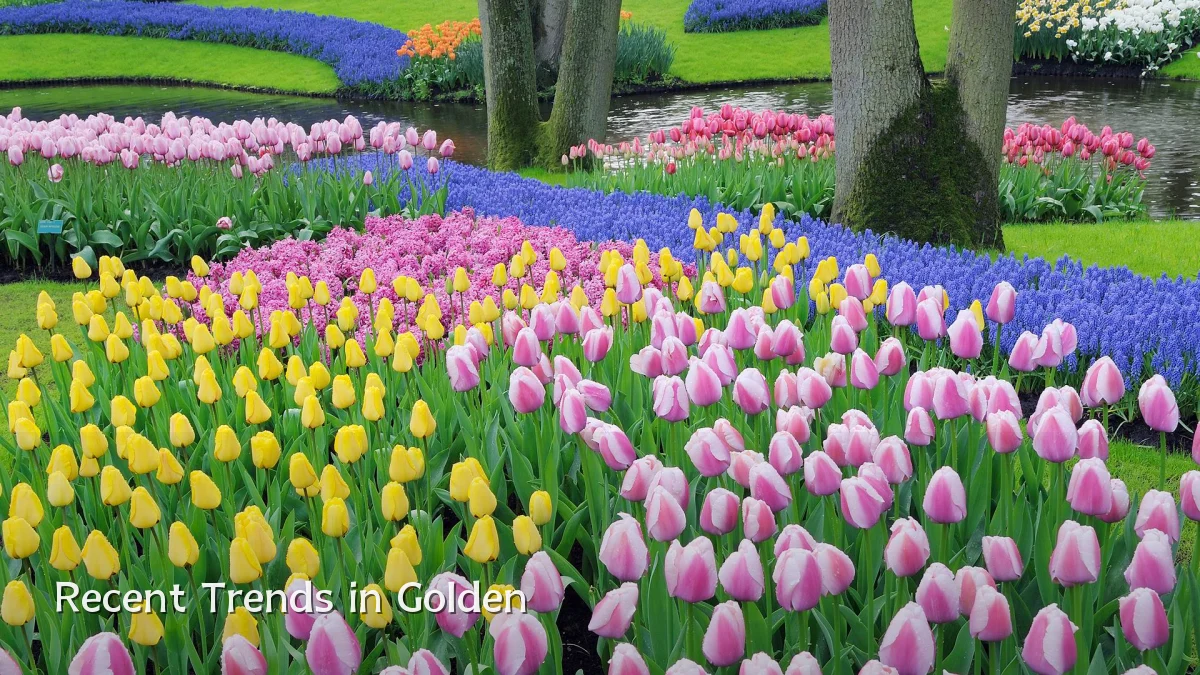
- Wider adoption of smartphone apps that predict sunlight angle and intensity down to the minute.
- Rise of multi-day location scouting to account for seasonal shifts in sunrise/sunset direction.
- Growing interest in "blue hour" transitions as a complementary technique within the same session.
Background: Why Golden Hour Remains Essential
Golden hour has been a cornerstone of nature photography for decades because of its unique lighting characteristics: warm color temperature, low angle, and soft diffusion through atmospheric haze. This lighting reduces harsh shadows and blowouts, making it ideal for capturing textures in foliage, animal fur, or landscape features. For professionals, mastering this window is not merely aesthetic—it often determines the difference between a standard stock image and a publication-worthy shot.
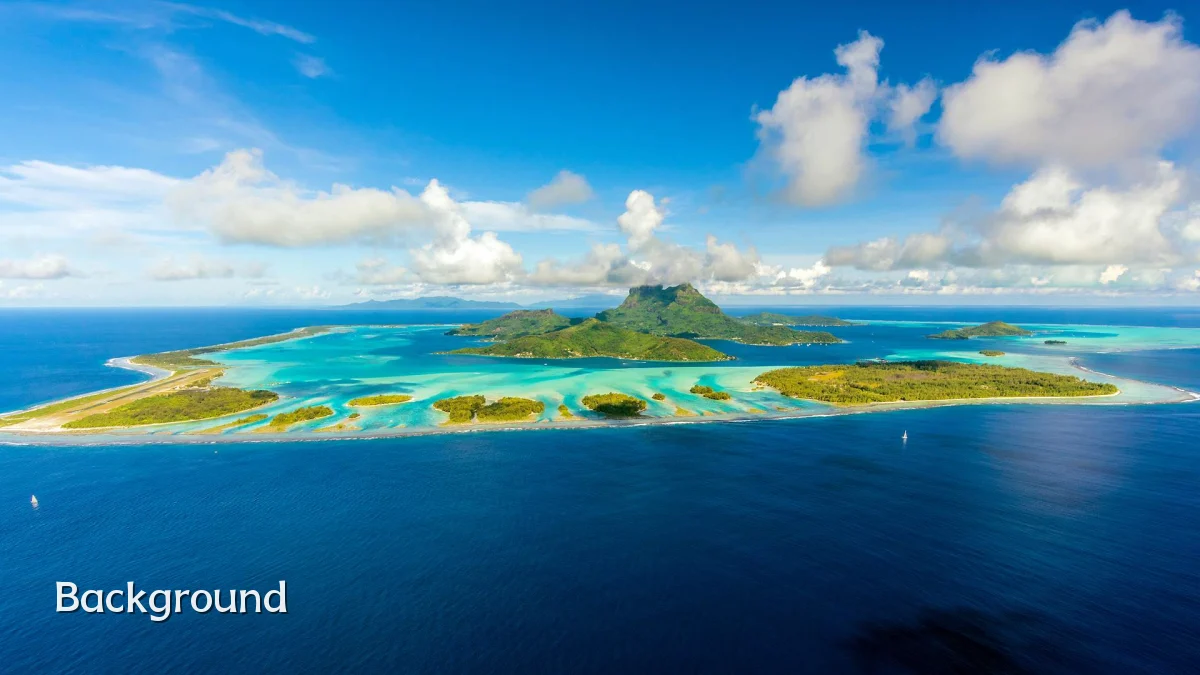
- Light temperature typically ranges from 2,500K to 3,500K during golden hour, providing natural warmth.
- Longer shadows add depth and dimension, especially in forest or mountain scenes.
- Lower UV intensity reduces glare and improves color saturation without editing.
User Concerns and Practical Challenges
Even experienced photographers face common concerns when working during golden hour. The limited timeframe—often under 20 minutes of optimal light—requires fast decision-making and gear preparation. Weather can shift rapidly, cloud cover may block or diffuse the sun unpredictably, and the ideal angle may be blocked by terrain or vegetation.
- Time pressure: Need to pre-visualize compositions and adjust exposure quickly.
- Subject availability: Animals or moving elements may not align with ideal light windows.
- Equipment limits: Lens flare and dynamic range demands push sensor and filter choices.
“The most common mistake is arriving late and scrambling for a shot. Successful professionals arrive one hour early and wait, adjusting framing as the light shifts.” — common workshop advice
Likely Impact on Professional Nature Photography
The growing emphasis on golden hour mastery is reshaping how professionals plan assignments, market their work, and invest in gear. Many stock photography buyers now explicitly request “golden hour” tags, and editorial clients often prioritize images with natural warm light over staged or artificially color-graded alternatives. This trend may encourage more photographers to specialize in sunrise/sunset workflows, potentially reducing the market value of daytime shots that lack similar lighting quality.
- Increased demand for lightweight tripods and remote triggers to capture fast-changing conditions.
- Portfolios dominated by golden hour images may command higher licensing fees due to perceived scarcity.
- Post-production time might drop as in-camera results improve with careful timing.
What to Watch Next
Observers in the nature photography community are watching several developments that could affect how professionals approach golden hour:
- Better affordable lenses with reduced flare and improved low-light performance, enabling longer handheld shooting.
- Growth of AI-assisted sunrise/sunset forecasting that accounts for local atmospheric particle counts and cloud cover.
- Shifts in competition: as more photographers master golden hour, unique compositions or unusual weather interactions may become more valued.
- Potential integration of real-time lighting simulation in camera viewfinders or external monitors.
Professionals who adapt early to these tools and continue refining their timing discipline are likely to sustain a competitive edge in the nature photography field.