How to Choose Nature Photos That Transform Your Living Space
Nature photography has become a staple in interior design, with homeowners and renters increasingly seeking images that bring calm, depth, and a sense of connection to the outdoors. Recent shifts in both art curation and digital printing have changed how buyers evaluate landscape, botanical, and wildlife prints for their walls.
Recent Trends in Nature Photography for Interiors
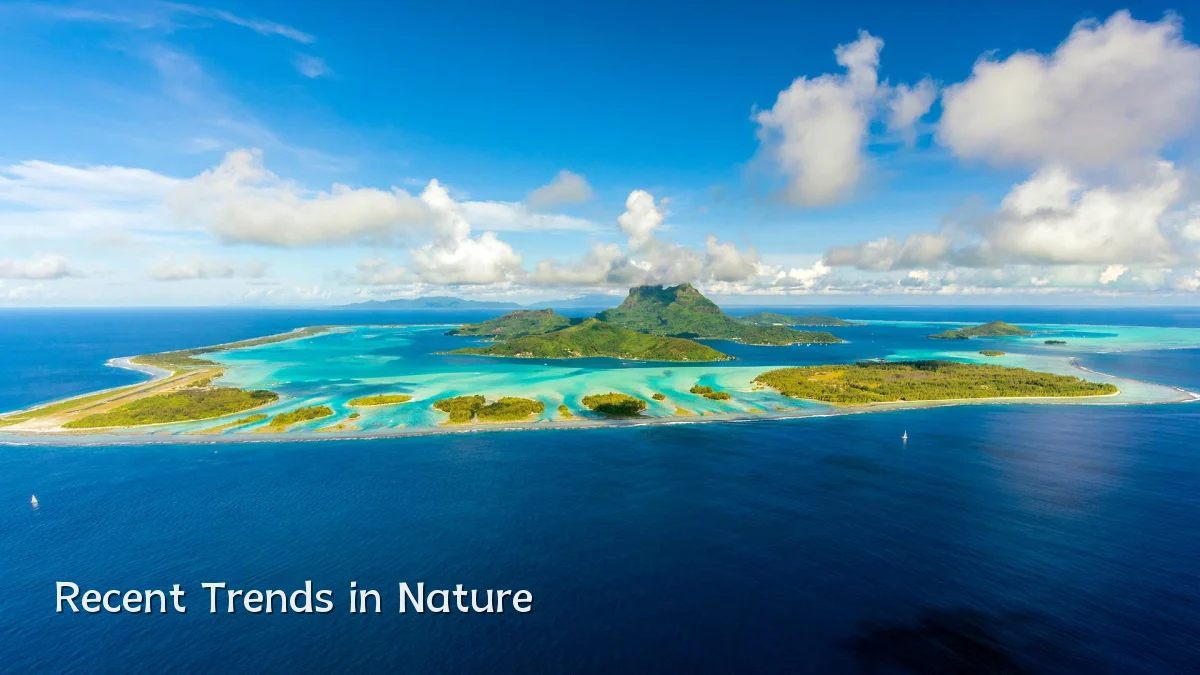
Over the past few seasons, interior stylists have noted a move away from generic framed posters toward large-scale, high-resolution fine-art prints. Demand has grown for images with soft, natural light, muted earth tones, and compositions that encourage a sense of openness. Buyers are also favoring subject matter such as forest canopies, coastal horizons, and macro flora over dramatic sunsets or animal close-ups. Print-on-demand services now offer archival pigment inks and museum-grade papers at accessible price points, making professional-quality nature photos more attainable for a broader audience.
Background: Why Nature Photos Work in Living Spaces
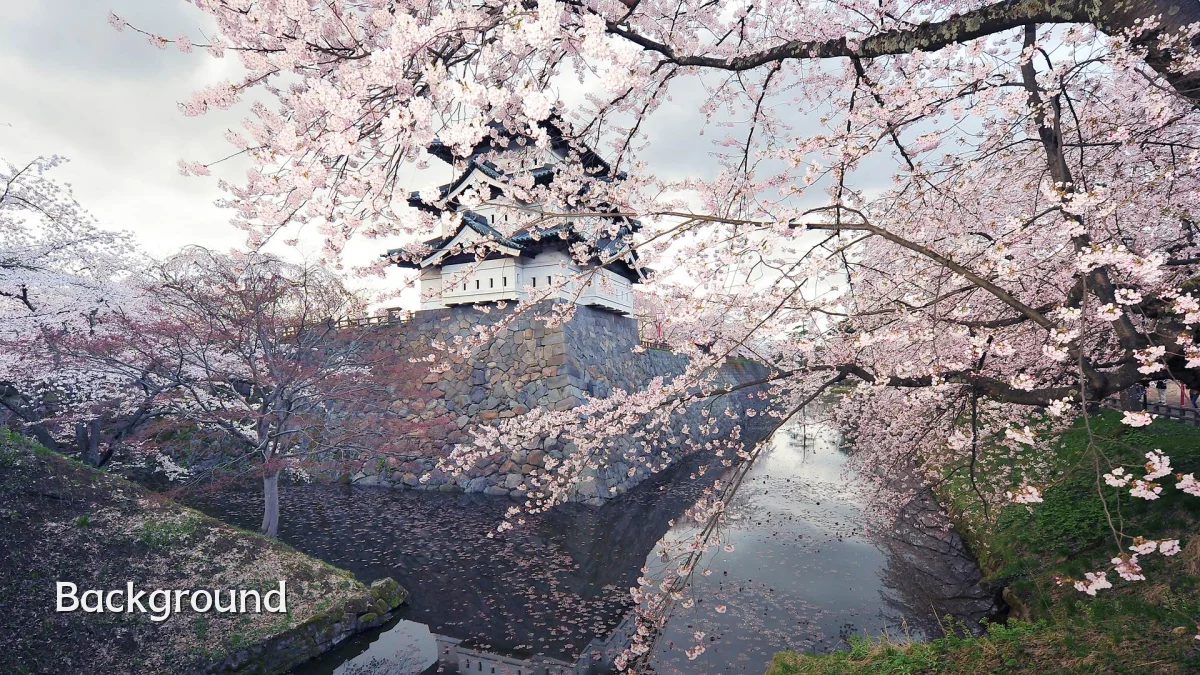
Research in environmental psychology suggests that viewing natural scenes can reduce stress and improve mood. Interior designers have long leveraged this effect. Nature photography acts as a visual anchor, especially in rooms without direct views of greenery. The key factors that determine success are scale, color palette, and subject placement relative to furniture and light sources. A well-chosen nature photo can make a small room feel deeper or bring contrasting texture to a minimalist setting.
Common Concerns Buyers Face
- Size and proportion: A photo that is too small can feel lost; too large may overwhelm. Standard living room walls often accommodate prints between 24 and 48 inches across, depending on furniture scale.
- Color matching: Buyers worry about clashing with existing décor. Neutral earth tones, monochromatic palettes, or images with a dominant hue that echoes an accent color reduce risk.
- Framing and finish: Unframed canvas prints or simple wood frames often suit modern and transitional styles, while metallic finishes can feel cold. Floating frames offer a contemporary look.
- Subject prominence: Busy patterns or animals facing away from the room can disrupt visual flow. Landscapes with a clear focal point tend to perform better in living areas.
- Lighting conditions: Glare from windows or direct sunlight can fade prints over time. UV-protective glass and placement away from strong light prolong lifespan.
Likely Impact on Interior Design Practices
As more buyers prioritize wellness and personal expression in their homes, nature photography is expected to move from decorative afterthought to intentional design element. Online retailers are expanding their curated collections and offering augmented-reality tools to preview images on walls. This shift may push traditional frame shops to offer more consultation services around image selection. Additionally, environmental considerations – such as sustainably sourced paper and wooden frames – are becoming purchase factors for a segment of buyers.
What to Watch Next
- Emerging genres: Night-time landscapes, abstract nature close-ups, and biophilic macro shots are gaining traction.
- Custom sizing: More sellers may offer made-to-order dimensions to fit non-standard wall spaces.
- Smart display options: Digital frames with rotating nature galleries could compete with static prints, though they currently lack the tactile presence of physical art.
- Regional preferences: Buyers in coastal cities tend to favor ocean scenes, while those in inland areas often select mountain or forest imagery.