Mastering Natural Light: A Nature Photo Guide for Golden Hour and Beyond
Recent Trends
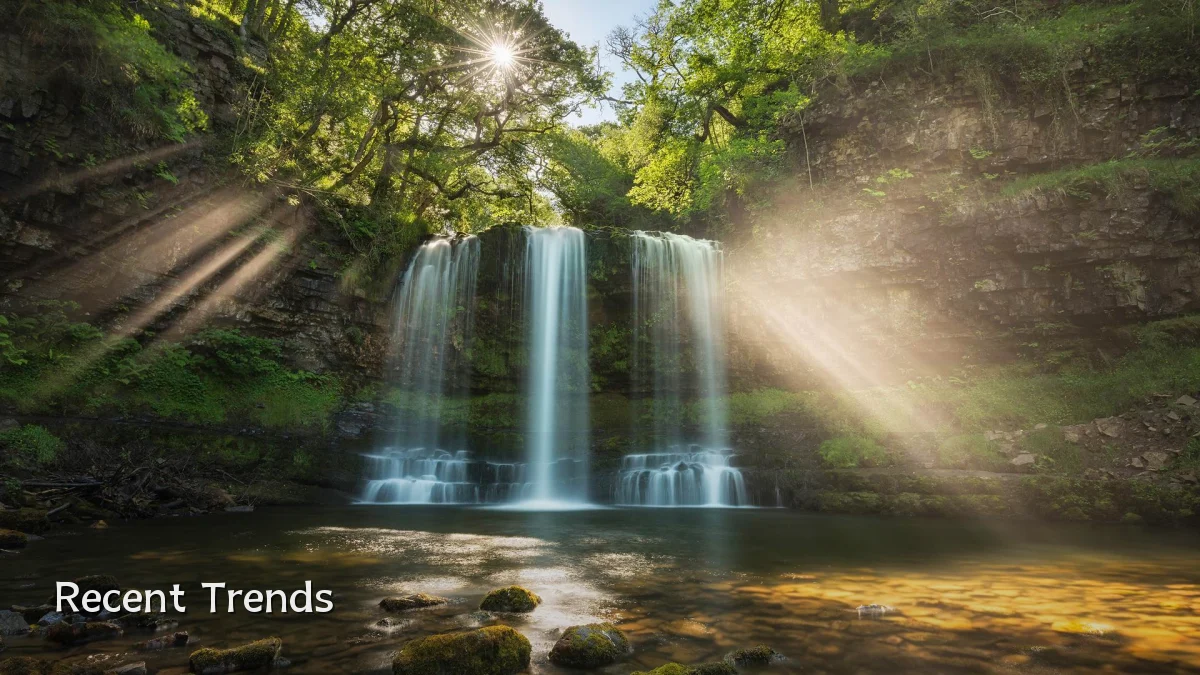
Interest in natural-light nature photography has grown steadily alongside social media platforms that reward atmospheric, golden-hour images. Many creators now emphasize unedited, in-camera results, and online communities share time-of-day calculators and location scouting tools. Camera manufacturers have also highlighted low-light performance and dynamic range in recent releases, indirectly supporting golden-hour shooting. Meanwhile, tutorials on capturing “blue hour” and twilight have gained traction as photographers extend their working window beyond the classic golden hour.
Background
Golden hour—roughly the first and last hour of sunlight—has long been prized for its warm, diffused light and long shadows. Natural light at these times reduces harsh contrasts and enriches colors, making it easier to capture details in both highlights and shadows. Beyond golden hour, “blue hour” (just before sunrise and after sunset) offers cool, even light for silhouettes and long exposures. Overcast conditions, often overlooked, can provide soft, directionless light ideal for forest interiors and macro work. Understanding sun position, weather, and seasonal shifts remains fundamental.
User Concerns
- Timing precision: Many struggle to predict the exact start and end of golden hour, especially in changeable weather or mountainous terrain.
- Exposure management: High dynamic range scenes (e.g., sun in frame) require careful metering, exposure bracketing, or graduated filters to avoid blown highlights or lost shadows.
- Composition under pressure: The short window demands quick decisions on framing, focal length, and subject placement.
- Post-processing habits: Over-reliance on editing can undermine the goal of capturing natural light accurately; learning to evaluate histograms in-camera is a common concern.
- Equipment limitations: Tripod stability, sensor noise at lower light, and lens sharpness in early/late light affect results for hobbyists.
Likely Impact
Photographers who deliberately master golden hour and its adjacent conditions can expect more consistent, high-impact images without heavy editing. Improved understanding of natural light reduces time spent correcting exposure and color balance. This skill also expands creative options: soft light from overcast skies, reflected light from water or snow, and rim lighting at sunset become predictable tools. As audiences become more visually literate, genuine natural-light work may stand out against heavily processed content. For professionals, efficiency in the field increases, leading to higher keeper rates on shoots.
What to Watch Next
- Weather-aware planning apps: Tools that combine sun position with real-time cloud cover forecasts could streamline location scouting.
- AI-assisted shooting: Camera algorithms that advise on optimal exposure settings for golden-hour scenes may become more common in entry-level models.
- Expanding the golden-hour window: Techniques like blending exposures or using computational photography may allow mimicking golden-hour tones at other times.
- Community-based zones: Online maps where photographers share verified golden-hour viewpoints and conditions are gaining popularity.
- Workshops on low-impact shooting: Ethical considerations about trampling vegetation or disturbing wildlife during prime light hours will likely receive more attention.