Mastering Natural Light: Essential Tips for Stunning Landscape Photos
Recent Trends in Landscape Photography
Over the past few seasons, a growing number of photographers have shifted from heavy post-processing toward capturing images with natural light alone. Social media feeds now favor images that look authentic, with soft dawn hues and long, warm shadows. Many popular tutorials emphasize shooting during the “golden hour” (the period shortly after sunrise or before sunset) to achieve rich color and gentle contrast without artificial fill. Camera manufacturers have also released models with improved dynamic range, making it easier to retain detail in bright skies and deep shadows simultaneously.
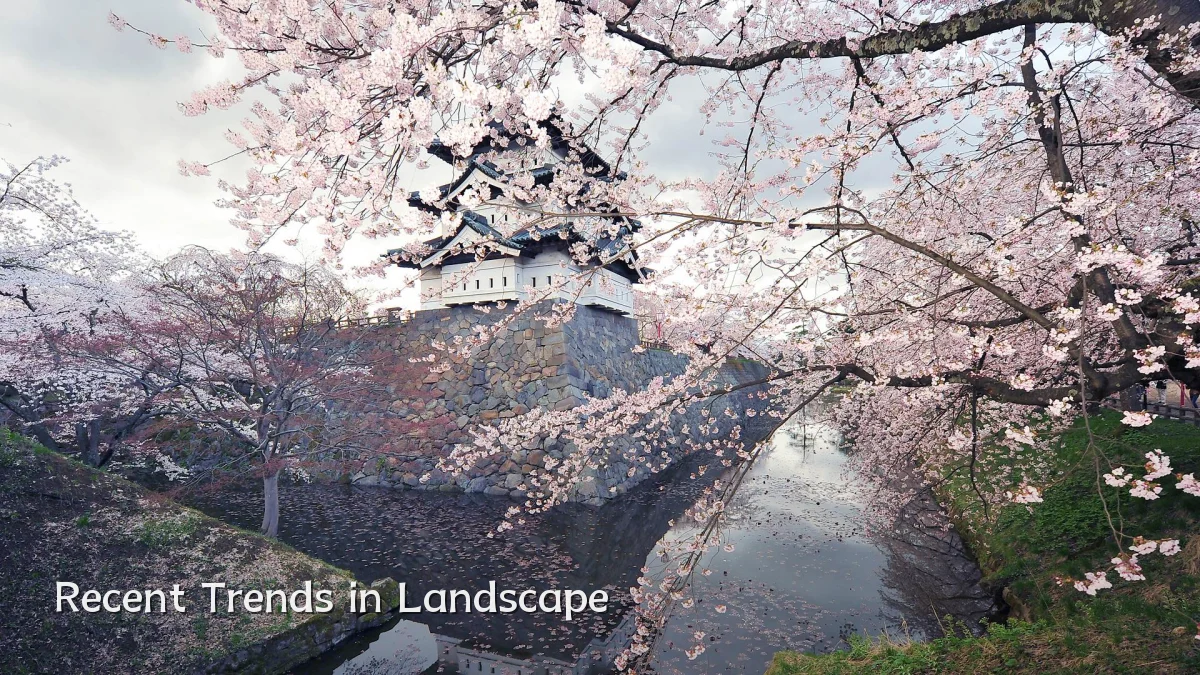
- Increased interest in minimalist compositions that rely on natural light direction.
- Rise of “weather-aware” planning – photographers check cloud cover forecasts to predict soft, diffused light.
- Portable graduated neutral-density filters gaining popularity for balancing exposure in-camera.
Background: Why Natural Light Matters
Natural light is the primary tool for landscape photographers because it defines texture, depth, and mood. Unlike studio lighting, outdoor light changes constantly due to time of day, season, and atmosphere. Mastering it means understanding how the sun’s angle affects shadows and highlights. For decades, experienced shooters have noted that midday overhead sun creates harsh, flat scenes, while low-angle light from early morning or late afternoon sculpts contours and adds warmth. Cloudy or overcast conditions act as a massive softbox, reducing contrast but revealing subtle colors in forests, waterfalls, and coastal scenes.
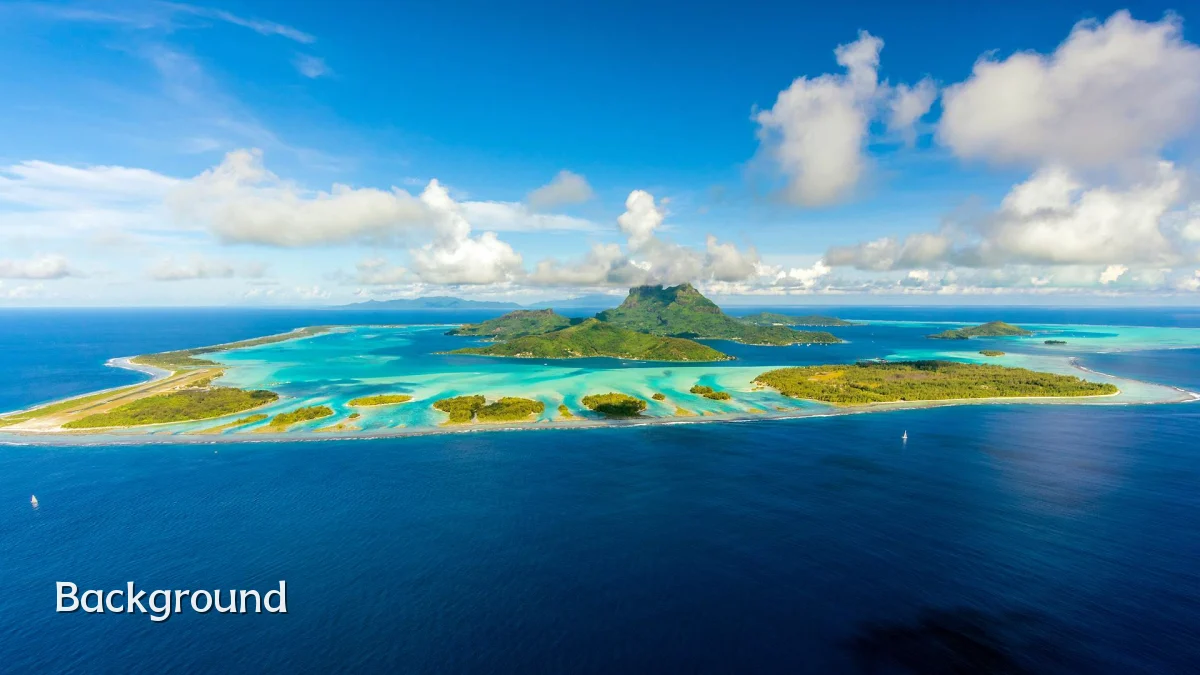
“Light is the foundation – composition is secondary,” is a common adage among veteran landscape instructors.
Common User Concerns
Many amateur photographers struggle with exposure compromises: a bright sky often leads to underexposed foregrounds, or vice versa. Another frequent issue is timing – missing the narrow window of optimal light because of poor pre-planning. Users also worry about color casts from different times of day (e.g., cold blue shadows at dawn vs. warm golden tones at dusk). Equipment limitations, such as sensor noise in low-light conditions, can frustrate beginners who attempt sunrise shots without a tripod. Finally, understanding when to break “rules” (shooting into the sun intentionally for a flare effect) causes confusion.
- How to evaluate ambient light before pressing the shutter.
- Techniques for using reflectors or natural elements (snow, water, rocks) to bounce or diffuse light.
- Choosing the correct white balance preset or adjusting in post without losing authenticity.
Likely Impact on the Photography Community
As more photographers embrace natural light, the genre may see a shift toward location scouting and patience rather than gear upgrades. Workshops and online courses increasingly dedicate entire modules to light reading and weather interpretation. Cameras with better dynamic range and smartphone computational photography will continue to lower the barrier, but the core skill of observing and anticipating light will remain prized. A likely consequence is a growing appreciation for local landscapes, since dramatic natural light can make even familiar scenes look extraordinary without requiring expensive travel.
What to Watch Next
Look for deeper integration of real-time light and weather data in camera apps and external field tools. Some mapping platforms already offer overlay tools for sun position and twilight times; these may become standard in camera interfaces. Meanwhile, discussions about ethical use of artificial light (e.g., LED panels in wilderness) may gain traction. Also monitor the rising popularity of “blue hour” (twilight) photography, which demands careful metering but yields an ethereal, moody aesthetic. Finally, watch for more tutorials focusing on post-processing techniques that preserve natural light’s integrity – avoiding over-saturation or HDR artifacts that betray the original scene.