Creative Ways to Review Your Nature Photos and Improve Your Eye
Recent Trends in Nature Photo Review
In the past year, photography circles have seen a shift toward structured self-review methods rather than passive scrolling of galleries. Many enthusiasts now adopt techniques borrowed from design critique and fine art analysis. For example, “sequential review” — laying out a series of images in a timeline to observe compositional patterns — has gained traction in online forums. Another emerging practice is the use of screen-grabs from video footage to isolate fleeting natural moments, then comparing them side-by-side with still photographs to assess timing and framing.
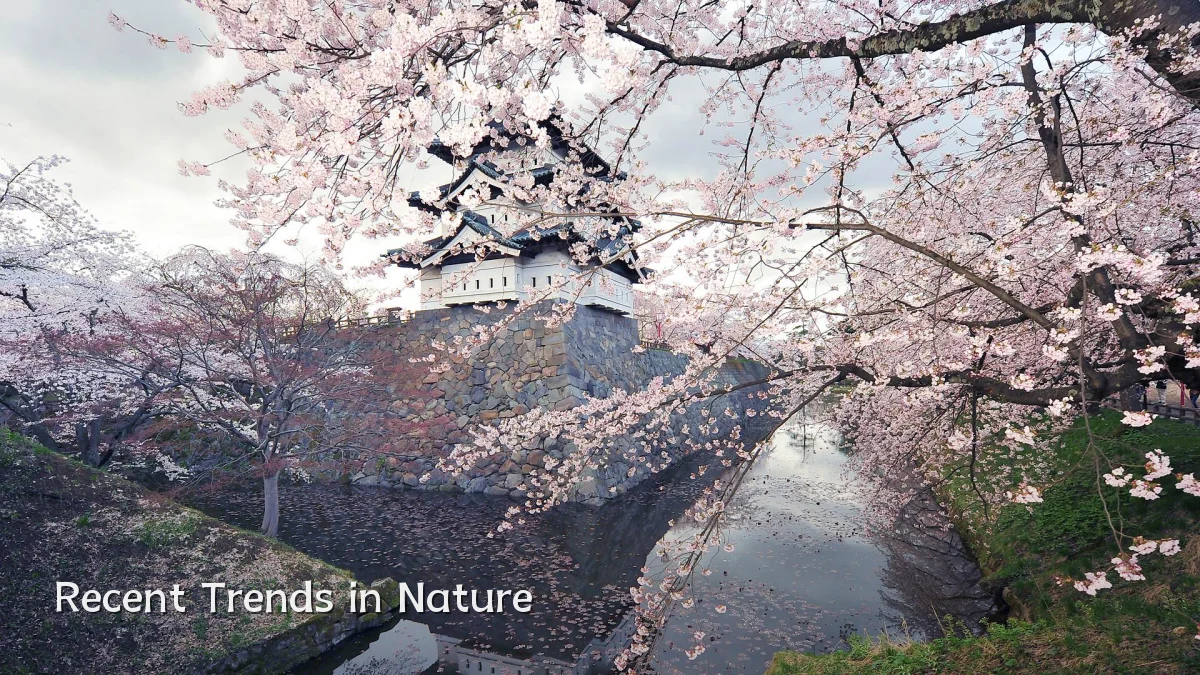
- Growth of “silent critique” groups where members post images without text and analyze only visual elements such as light, line, and negative space.
- Rise of mobile apps that overlay grid systems, color histograms, and depth-of-field simulations during review sessions.
- Increased interest in journaling: photographers keep a written log of why a particular shot was kept or rejected, later reviewing that log to spot recurring blind spots.
Background: Why Review Practices Are Evolving
Traditional photo review often relied on comparing one’s work to celebrated nature photographers or waiting for formal feedback in workshops. Over time, many participants found that approach either too slow or too subjective. As digital libraries grow into tens of thousands of images, the need for systematic, repeatable methods to evaluate one’s own eye has become clear. Additionally, the saturation of nature imagery on social media has pushed photographers to seek deeper personal criteria beyond likes or shares.
Industry observers note that review practices are now borrowing from cognitive psychology — specifically, “desirable difficulties” in learning. Techniques such as forced categorization, blind rating, and timed edits are being adapted to photo review to help practitioners overcome confirmation bias and familiarity with their own work.
User Concerns: Common Pitfalls in Self-Critique
- Emotional attachment: Photographers struggle to separate the effort of capturing a scene from the actual compositional quality of the image.
- Over-reliance on gear specs: Technical sharpness or dynamic range can mask weak composition or lack of narrative.
- Inconsistent criteria: Reviewing without a defined framework leads to wandering attention and little actionable feedback.
- Information overload: Too many comparative tools or critique streams can paralyze decision-making rather than sharpen instincts.
Likely Impact on Photographers and Communities
As these creative review methods become more common, the photographer’s “eye” may start to be taught explicitly rather than assumed as a natural gift. Workshop formats could shift from demonstration to structured peer review sessions using frameworks like the “four-question” method (what works, what distracts, what could change, what is the intended emotion).
Online communities may see a decline in simple “like” metrics and a rise in text-based analytical comments. Platforms that support side-by-side comparison and annotation tools could gain traction. For individual photographers, the likely impact includes faster improvement in composition and a clearer personal style, especially if review is done regularly on a subset of images rather than on every single shot.
What to Watch Next
- AI-assisted review tools: Look for apps that provide neutral, objective analysis of composition balance, subject placement, and color harmony without offering style advice.
- Gamified review obstacles: Challenges like “edit this in 30 seconds” or “rate five images without knowing which are yours” are being piloted in small beta groups.
- Integration with field practice: New equipment that allows immediate playback and overlaid grid review in the field, potentially changing how nature photographers compose in real time.