Essential Camera Settings Every Nature Photographer Should Know
Recent Trends in Nature Photography Settings
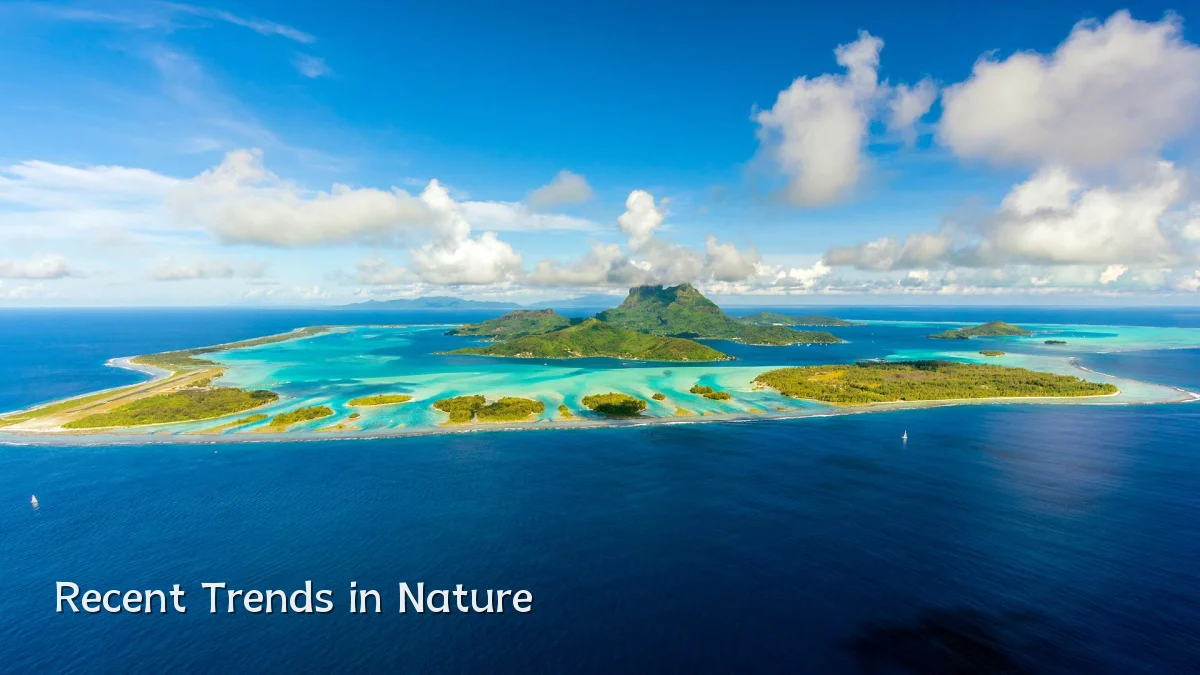
The rise of mirrorless systems and computational photography features has shifted how photographers approach field settings. In the past year, discussions among landscape and wildlife shooters have increasingly centered on balancing traditional manual control with newer capabilities such as focus stacking and high-resolution bracketing built into advanced bodies. A notable trend is the growing emphasis on custom preset banks—many cameras now allow users to save multiple configurations for specific scenarios like low-light dawn, fast-action bird flight, or macro detail, enabling rapid switching without menu diving. Social channels and gear review forums reflect a renewed interest in understanding exposure triangle fundamentals, even as automatic modes grow more reliable.
Background: Why Core Settings Matter
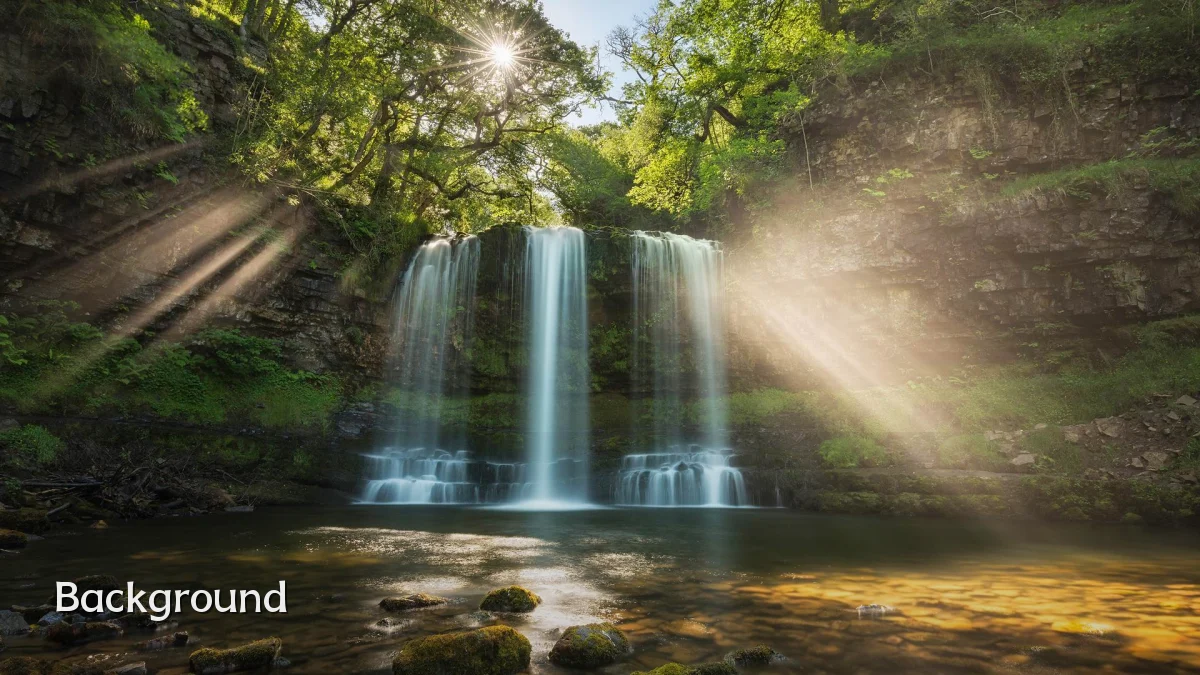
At the foundation, three interdependent variables—aperture, shutter speed, and ISO—determine exposure and creative outcome. Aperture controls depth of field and light intake; shutter speed freezes or blurs motion; and ISO influences sensor sensitivity and noise. In nature photography, conditions change unpredictably: moving from a shaded forest floor to an open sunlit meadow can require adjustments of two or more stops. Beyond exposure, focus mode and metering pattern play decisive roles. Continuous autofocus (AI Servo / AF-C) is essential for erratic wildlife, while single-servo and manual focus remain standard for stationary landscapes and macro work. Metering modes—evaluative, center-weighted, or spot—affect how the camera interprets brightness across a scene, preventing blown highlights in snowy peaks or lost shadow detail in dense foliage.
User Concerns
Many nature photographers, from enthusiasts to semi-professionals, express frustration with certain common problems:
- Missed focus on moving subjects: Incorrect autofocus area selection or slow lens motors cause soft images of birds and animals.
- Noise in low light: Raising ISO too high without understanding the camera’s native range leads to grainy files that resist post-processing.
- Blown highlights or blocked shadows: Reliance on auto metering in high-contrast scenes results in unrecoverable detail loss.
- Motion blur from camera shake: Shutter speeds below the reciprocal of focal length, even with stabilization, degrade sharpness.
- Inconsistent white balance: Auto white balance under mixed natural light can shift color tones unexpectedly across a series of images.
Likely Impact of Mastering These Settings
Photographers who invest time in learning and field-testing these controls can expect several tangible outcomes:
- Higher keeper rates: Fewer shots discarded due to exposure or focus errors, especially during fleeting moments like a predator’s strike or golden hour glow.
- Reduced editing time: Correct in-camera choices minimize the need for heavy correction in RAW processing, preserving file quality.
- Greater creative control: Deliberate use of shallow depth of field or intentional motion blur becomes a tool for storytelling rather than an accident.
- Better adaptability: Understanding the exposure triangle allows confident transitions between lighting conditions without hesitation.
- More consistent project results: Series of images for portfolios or assignments maintain a cohesive exposure and color profile.
What to Watch Next
Camera firmware continues to evolve, bringing new capabilities to existing hardware. Watch for broader adoption of AI-based subject detection—current systems recognize birds, mammals, and even specific animals, but future updates may improve accuracy for less common species or behavioral cues. Another area is real-time exposure preview using electronic viewfinders, which can simulate final image brightness and histogram information before the shutter releases. On the hardware side, sensor technology is pushing toward dual native ISO and expanded dynamic range in compact bodies, potentially reducing the need for ND filters in certain daytime scenarios. Finally, community-driven calibration guides and custom setting shares are likely to grow, making advanced configuration more accessible to photographers transitioning from automatic modes.